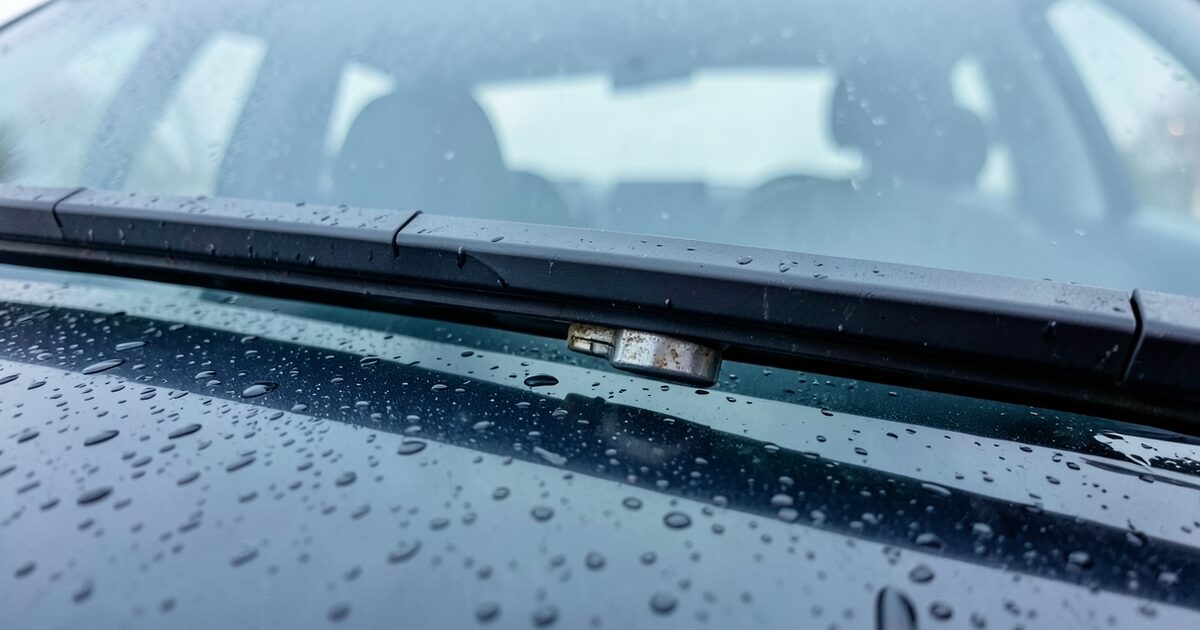
Most drivers think about wiper blades only when the glass starts streaking during the first rain or sleet of the season. The question people usually type into Google is simple: how do I know wiper blades need replacing, and which type should I buy for snow and freezing rain? Check blades in early fall and again in spring, replace them when they streak, skip, or leave a wet band, and match them to your car by length and attachment style rather than by brand name alone.
This guide compares the three main blade styles on the criteria that matter in winter. It then covers sizing, a safe replacement method, and the habits that crack glass or leave you without a clear view on an icy morning.
How do you know when wiper blades need replacing?
Look at the rubber edge first. Rubber that is hard, cracked, split, or missing sections smears water instead of clearing it. The common rule is to replace blades every six to twelve months, but age is only a rough guide. Desert sun in Arizona or Nevada, ice scraping, and cars parked under trees in fall can wear rubber faster than the calendar suggests.
Common signs that a pair is finished:
- Streaks or haze that remain after you clean the glass with washer fluid.
- Chatter, a juddering or squeaking sound at the end of each stroke.
- Wet bands or unswept strips along the bottom of the glass.
- A blade that lifts away from the glass at the ends of its travel.
- Visible splits, flaking rubber, or a metal frame that has bent out of line.
Picture a driver in Columbus, Ohio, who notices streaks on the driver's side during the first November rain. The blades are about fourteen months old, and the rubber edge has hardened to a glassy finish. Cleaning the edge does not help, so a new pair fixes the problem the same day. Nothing else on the car is wrong, and the blades were the only issue.
Beam, hybrid, or conventional: which wiper blade is best in winter?
All three styles clear rain, but they behave differently when snow packs into the joints and ice forms on the glass. Pick the style that fits the weather you drive in most, then confirm it fits your wiper arm.
- Beam blades use one flexible strip with a spring spine and no exposed metal frame. With fewer joints, there is less room for ice and snow to lodge, and pressure stays more even across the glass. They usually cost more per blade, and they suit regions with heavy snow and ice.
- Conventional blades use a metal frame with several pressure points, often called a claw or clip design. They are inexpensive, easy to find at most parts stores, and fit many older cars. Snow and ice can collect in the frame, and pressure can be uneven toward the ends of the blade.
- Hybrid blades cover a metal or plastic frame in a sleek shell. They tend to be quieter and smoother at highway speed than conventional blades, and they clear snow reasonably well. Winter performance varies by brand, so read reviews that mention ice and freezing rain rather than trusting the packaging.
For heavy snow areas from Buffalo to Duluth, beam blades are the safer default. In milder winters in Atlanta or Dallas, a good hybrid or quality conventional blade is usually enough. The right answer depends on the weather you actually see, not the weather pictured on the box.
What size wiper blades does my car need?
Many cars use one length for the driver's side and a different length for the passenger's side, so buying two blades of the same size by memory is a common mistake. Check the owner's manual, the sizing guide printed on the packaging, or the fit finder at a parts retailer using your exact year, make, model, and trim. Measure the old blade end to end before you buy, then compare that measurement with the listed size.
The rear wiper is usually a separate part with its own length and attachment. Many hatchbacks and SUVs need one for the rear window, and it is easy to forget until a rainstorm reveals a dirty, smeared back glass.
Attachment type matters as much as length. Blades use several connector types, such as a side pin, a hook, or a bayonet. A blade with the wrong adapter can pop off at highway speed, so confirm the connector matches your arm before you leave the store.
How do you replace wiper blades without cracking the windshield?
Replacing wiper blades takes about five minutes with the car parked and the engine off. The most common accident is a wiper arm snapping back onto the glass, which can chip or crack the windshield. Follow this order:
- Park on level ground, turn off the engine, and lift one wiper arm away from the glass until it locks or stays upright.
- Find the release tab or lock on the blade-to-arm connector. Press or slide it to release the blade.
- Slide the old blade off the arm hook or pin and set it aside.
- Attach the new blade until it clicks or locks, then tug it gently to confirm it is secure.
- Lower the arm slowly onto the glass. Repeat for the other side and the rear wiper.
Test the new blades with washer fluid before you drive. If they chatter on a clean windshield, wipe the glass with a cloth and washer fluid, then test again. A new blade that still skips is often the wrong size or the wrong adapter rather than a defect.
What winter wiper mistakes damage blades or the car?
Several winter habits wear blades quickly or strain the car. The most common is running the wipers over iced glass. Ice tears the rubber edge and can strain the wiper motor, so clear the glass with the defroster and a plastic scraper first, then switch the wipers on.
Parking with the blades resting on a snow-covered windshield can freeze them to the glass. When snow is forecast, lift the arms away from the glass before the storm, and lower them when you are ready to drive. This small step prevents a torn blade the next morning.
Washer fluid is another trap. Summer fluid or plain water can freeze in the lines or on the glass. Use a winter-rated washer fluid whose label lists the lowest temperature it is rated for, and keep the reservoir full when temperatures drop. Household dish soap can leave a film that causes streaks, so keep it out of the reservoir.
How often should wiper blades be checked and logged?
Schedule a quick check twice a year: in early fall before the first cold snap, and again in spring after the salt and grit season. Wipe each blade with a cloth dampened with washer fluid, then look for cracks, lifts, or missing rubber. If a blade passes the look test but still streaks, replace it rather than adjusting the arm tension.
Recording the replacement date and blade sizes in the CarDiary service log, next to your other maintenance entries, gives you a dated record instead of a guess about the last change.
Some state safety inspections include wipers and washers on their checklist, so a failed wiper can cost you time at inspection as well as visibility in a storm. Requirements differ by state, so check your state's inspection rules before your next visit.
Wiper blade questions drivers ask most
How often should I replace windshield wiper blades?
Most drivers replace them every six to twelve months. Replace them sooner if they streak, chatter, or leave wet patches, and expect faster wear in hot, sunny climates.
Are beam wiper blades worth the extra cost?
In regions with heavy snow, freezing rain, or ice, beam blades are usually the better choice because they have fewer joints for ice to lodge in. In milder climates, a quality hybrid or conventional blade often performs well.
Why do new wiper blades still streak?
Streaks on new blades usually come from a dirty windshield, a film left by cleaning products, or the wrong size or adapter. Clean the glass with washer fluid and a cloth, then test the blades again.
Can I keep the same blades all year?
You can, but blades that held up through summer heat may need replacing after a hard winter of ice and road salt. A spring check shows whether the rubber survived.