Drowsy driving is a risk most drivers admit to and few plan for. The National Sleep Foundation's 2026 Drowsy Driving Report estimates that about 145 million adult drivers in the United States have driven while too sleepy to drive safely at least once, and nearly 35 million do it at least monthly. Drivers often type a version of the same question after a near miss: how do I tell I am too tired to drive, and what do I do next?
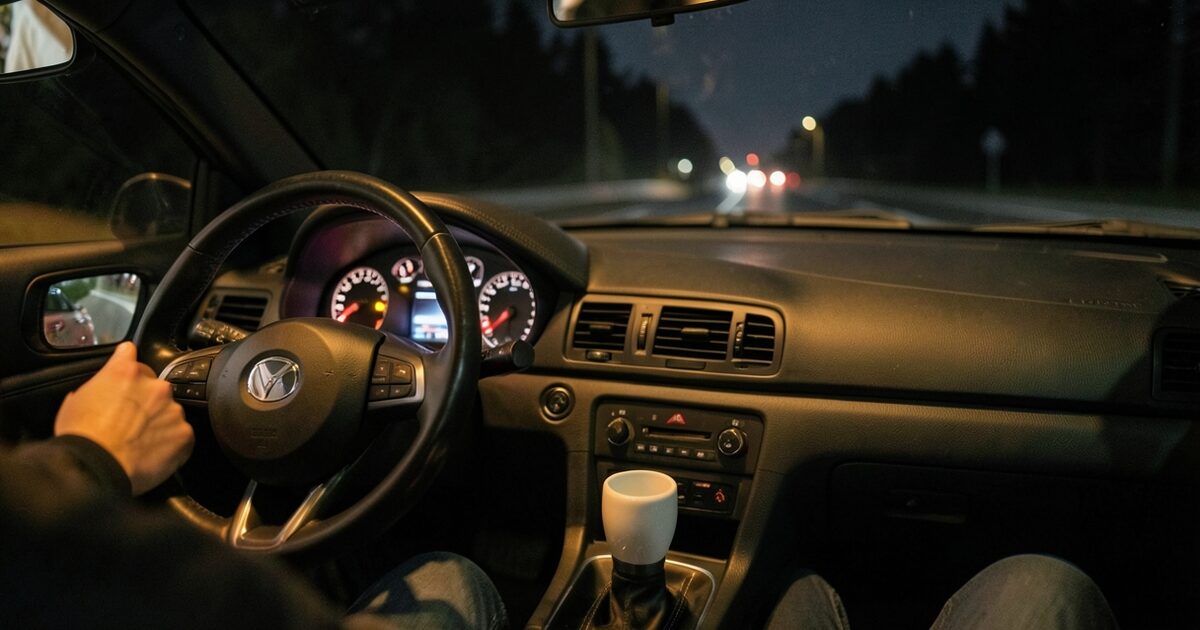
The short answer is that drowsiness rarely arrives as one clear moment. Your eyelids feel heavy, the lane starts to drift, and you realize you cannot remember the last few miles. Treat any one of those signs as a reason to leave the road at the next safe exit, not as something to push through to the destination.
What are the warning signs of drowsy driving?
The same report found that about 40 percent of drivers cannot name the basic warning signs. These are the ones worth knowing before you get behind the wheel on a long trip:
- Yawning repeatedly, rubbing your eyes, or blinking more slowly than usual.
- Drifting within your lane or onto the rumble strip, often with no memory of the last few miles.
- Missing an exit, a turn, or a traffic signal you would normally catch.
- Hearing the centerline or rumble strip when you did not signal a lane change.
- A heavy head, nodding, or trouble keeping your eyes focused on the road ahead.
- Thoughts that wander, or a sense that the car is driving itself while you watch.
Drowsiness also shows up in small errors. You may follow too closely, brake late for a stopped car, or speed up without noticing. Those mistakes are easy to dismiss in daylight. On a rural two-lane road at night, the same lapse can put a car on the wrong side of the center line within seconds.
Why does November night driving raise the risk?
Clocks moved back on the first Sunday of November, so sunset now comes early in the late afternoon for most of the country. Many commuters leave work in the dark, and many weekend trips start after dinner. The sleep you lose to the time change, or to a late night before a long drive, does not come back on the highway.
Sleepiness follows the body clock. Most people feel the strongest pull to sleep between about 2 a.m. and 6 a.m., with a second dip in the early to mid-afternoon. A 3 p.m. departure that runs into a traffic jam at dusk can hit that afternoon dip just as your eyes adjust to the dark. The AAA Foundation data cited in the NSF report links drowsy driving to about one in five deadly crashes, which is why the risk deserves a plan, not just willpower.
Can a car's drowsiness alert be trusted?
Many newer vehicles include a driver drowsiness or attention warning, and the systems do not all work the same way. Some track steering inputs and lane position and look for patterns of wandering. Others use a driver-facing camera to check where your eyes and head are pointed. Systems such as GM Super Cruise and Ford BlueCruise depend on driver monitoring, because you must stay attentive while the system steers on approved highways.
An alert tells you the car has noticed a problem. It does not fix the problem. Alerts often arrive after the drift has already begun, and sensitivity varies by model and by setting. Check your owner's manual for what your vehicle monitors, how early it warns, and whether you can adjust the sensitivity. Do not disable the alert because it is annoying, and do not treat a quiet dashboard as proof that you are alert.
What should you do the moment you notice the signs?
Stop driving as soon as you notice any sign, and do it in this order:
- Ease off the gas and hold the wheel steady. Do not speed up to reach home sooner.
- Leave at the next safe exit, rest area, or well-lit parking lot, and stop completely outside the travel lane.
- Put the car in park, lock the doors, and sleep for 15 to 20 minutes if you can. Longer naps often leave people groggy when they wake.
- Have a drink with caffeine if you want it, but know that caffeine takes time to work. A coffee alone does not replace the rest.
- Before you restart, check how you feel. If the signs return within a few miles, stop for the night at a motel or switch to another driver who is fully awake.
Keep a short note of the time and mile marker when you stopped. If you had a near miss, write that down too. Patterns like repeated afternoon fatigue tell you when to schedule the next trip differently.
How often should you stop on a long night drive?
Consider Dana, who leaves Columbus, Ohio, at 9 p.m. on a Friday in her 2019 Honda CR-V, heading to Charlotte, North Carolina, a drive of roughly seven to eight hours. She worked a full shift that day and slept only five hours the night before. Her plan is a 15-minute break about every two hours, a real meal at the first rest area, and a swap to the passenger seat only if she is fully rested, which she is not.
By the second stop, Dana notices her eyelids drooping on a long, straight stretch of I-77 with no traffic. She pulls into a lit rest area, walks for five minutes, and sleeps for 20 minutes with the seat reclined. That stop does more than the coffee she bought earlier. The break works because she gets out of the car, moves, and rests, not because she sits in the parked car scrolling her phone.
What mistakes do drivers make with drowsiness?
Most drowsy-driving mistakes come from a belief that feels reasonable at the time. These are the ones that show up again and again:
- Relying on an energy drink, then driving longer because the caffeine masks the feeling without fixing it.
- Opening the window, turning up the radio, or chewing gum and treating that as a solution.
- Trusting lane-keeping or adaptive cruise to cover for fatigue. These features assist you; they do not drive for you.
- Driving after a night shift or a long workday and assuming a short sleep before leaving was enough.
- Sharing the driving with a passenger who is also tired, or switching drivers without a real stop.
- Having a drink at dinner and then driving home late, when even small amounts of alcohol add to sleepiness.
What should you check on the car before a long night drive?
A tired driver is safer in a car that is ready for the road. Check tire pressure against the placard on the driver door jamb, confirm headlights and taillights work, and make sure the wiper blades clear the glass. Fill the washer fluid, set the seat and mirrors so you can stay upright without leaning, and keep the cabin cool enough that the heat does not add to the drowsiness.
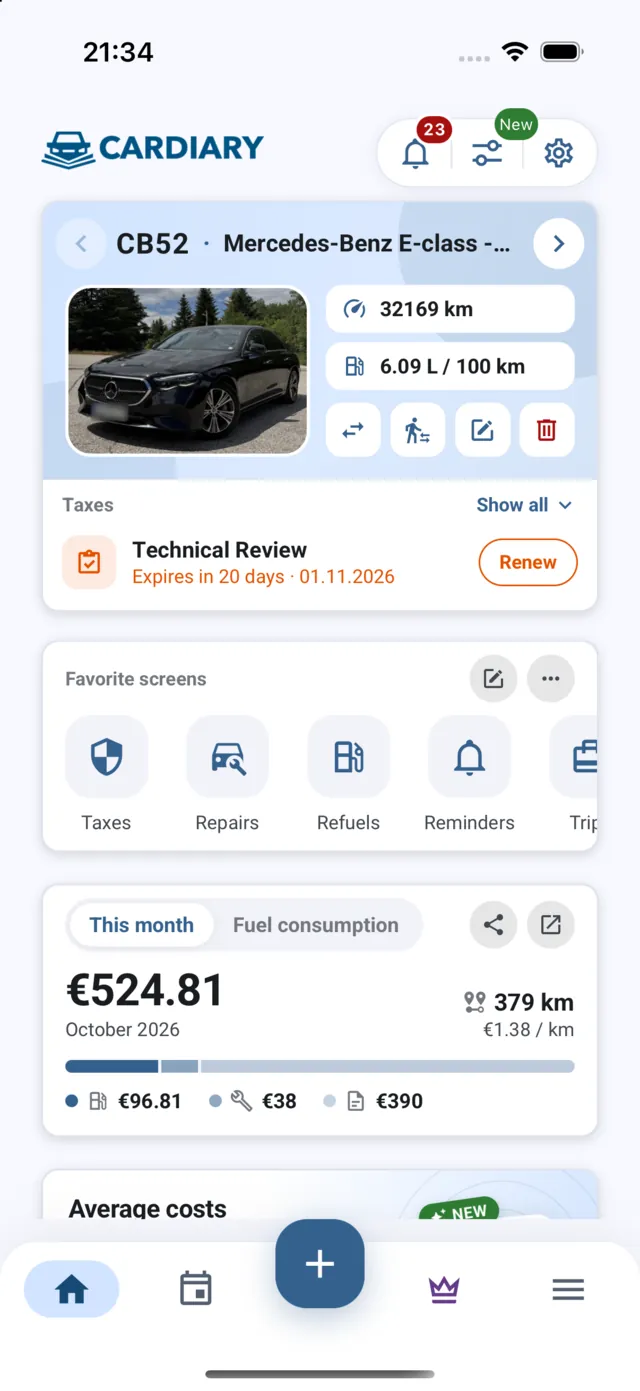
CarDiary can serve as a digital log for these pre-trip checks, so you can see when the tires, wipers, and lights were last done instead of relying on memory.
Drowsy driving questions drivers ask
Can I drive if I only feel a little tired?
If you notice any warning sign, stop driving and rest. Feeling only a little tired is where the risk starts to rise, and drowsiness makes it harder to judge your own alertness.
How long should a nap be before I drive again?
A nap of 15 to 20 minutes is the range most sleep guidance cites. Longer naps can leave you groggy when you wake, so set a timer if you need to.
Does coffee fix drowsy driving?
Caffeine can help a little, but it takes time to take effect and does not replace rest. Stop driving first, then decide whether a drink helps.
Do lane-keeping alerts prevent drowsy-driving crashes?
They can warn you when the lane starts to drift, but they cannot stop a crash on their own. Treat any alert as a signal to pull over, not as permission to keep going.