Snow emergency parking rules catch drivers off guard. A storm rolls in, the plows are coming, and a car parked on the wrong block gets towed before the first pass is finished. The rules are set by each city, so a habit that works in one town can cost you a tow in the next. This field guide covers how to tell whether a ban covers your street, what usually sets it off, and what to do before and after a tow.
The short answer to the question most drivers ask is yes: a car can be towed during a snow emergency, and the cause is usually the street rather than the car. A vehicle parked on a posted snow route can be ticketed and towed while a ban is active, and some cities ban parking on every street once they declare an emergency. You avoid the tow by knowing which rule applies to your block, knowing what triggers it, and moving the car before the trigger is met.
Is my street covered by a snow emergency parking ban?
Start by finding out which of two systems your city uses. Route-based bans cover only the streets marked as snow routes, and the signs on that block are what count. Washington, D.C. marks its snow emergency routes with red-and-white signs, while Baltimore uses black-and-white signs for the same purpose, so a sign on your block can look very different from the one you passed the day before.
Citywide bans work differently. Once a snow emergency is declared, parking is barred on all streets, and the only legal options are private lots or a designated city lot. Lynn, Massachusetts, for example, lets residents move cars into city lots during a snow emergency, so it is worth checking that option before a storm arrives. Chicago uses both kinds of rules at once: a 2-inch snow ban on about 500 miles of main streets, and a separate winter overnight ban on 107 miles of arterial streets from 3 a.m. to 7 a.m. from December 1 through April 1, regardless of snow.
To check your block, use your city's public works or transportation website, which often has an address lookup or a snow route map. Many cities publish snow route data openly, so a map app or a 311 call can confirm the status. Do not rely on a neighbor's habit, because a route can change from one block to the next.
What triggers a snow parking ban in a US city?
The most common trigger is measured snow on the street. Chicago's 2-inch ban is a good example: the signs say no parking when snow is over 2 inches, and the city can activate the rule once at least two inches are on the pavement, at any hour of the day. Enforcement of that particular rule is uncommon, but a tow is still possible when it is active.
Other cities act on a forecast. Fall River, Massachusetts, declares a ban when three or more inches are predicted, and it can start the ban before the snow falls. That means the car has to be moved in the hours before the first flake, not after the plows arrive.
Consider a typical case. A driver parks a Subaru Outback on a snow route in a city that declares a ban when a 4-inch storm is forecast overnight. They check the forecast at 4 p.m., see the alert, and move the car to a driveway two streets over. The plows come through at 2 a.m., and the car is safe. Had they waited until the snow was on the ground, the move would have meant digging out a space on a street that was already under a ban.
What should I do when a snow emergency is announced?
Treat the announcement as a deadline. The order below keeps the car legal and makes it easier to move if the ban changes.
- Read the start time and the area in the alert, since a citywide ban and a route-only ban can use similar wording.
- Move the car to a legal space off the snow route, or to a designated city lot if your city runs one.
- Clear all snow and ice from the roof, windows and lights before you drive, because a slab of snow can slide onto the windshield or into the road at the next stop. The guide on snow on a car roof and why it must be cleared explains the risk in more detail.
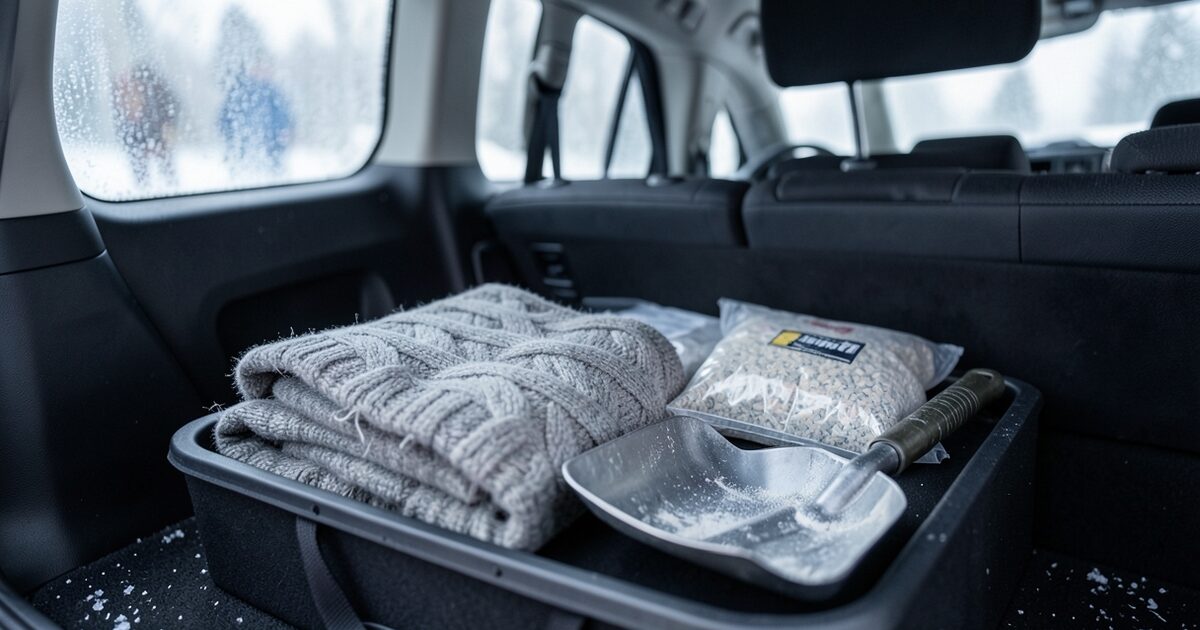
- Keep a shovel, an ice scraper and a warm layer in the trunk so you can clear a spot or walk back in the cold without trouble. The winter car emergency kit field guide lists what to pack.
- Write down the street, the time you parked, and the nearest cross street. Photograph the sign if you are unsure what it says.
What happens if my car gets towed in a snow emergency?
The car usually goes to a city impound or tow lot, and you pay the tow company or lot before you can take the car. Fees depend on the city and the reason for the tow. Chicago lists a minimum $150 towing fee, a $60 ticket and $25 per day in storage for the winter overnight ban, but the city's schedule changes, so check the current amounts before you rely on them. Other cities differ: Washington, D.C. has charged a $250 ticket with no towing fee, and in St. Paul, Minnesota, a $56 ticket came with towing and impound fees of $241.73 when the car was picked up before midnight on the day it was towed.
Finding the car is the first step. Chicago drivers can call 311 to find out whether a car was towed under the ban, and many other cities post a phone number for the impound lot. Ask for the lot address, the hours, and the document list before you go. Impound lots usually ask for a valid driver's license, proof of ownership and proof of insurance, and some also check that the registration is current. The difference between the two is explained in the guide on registration renewal and the vehicle title.
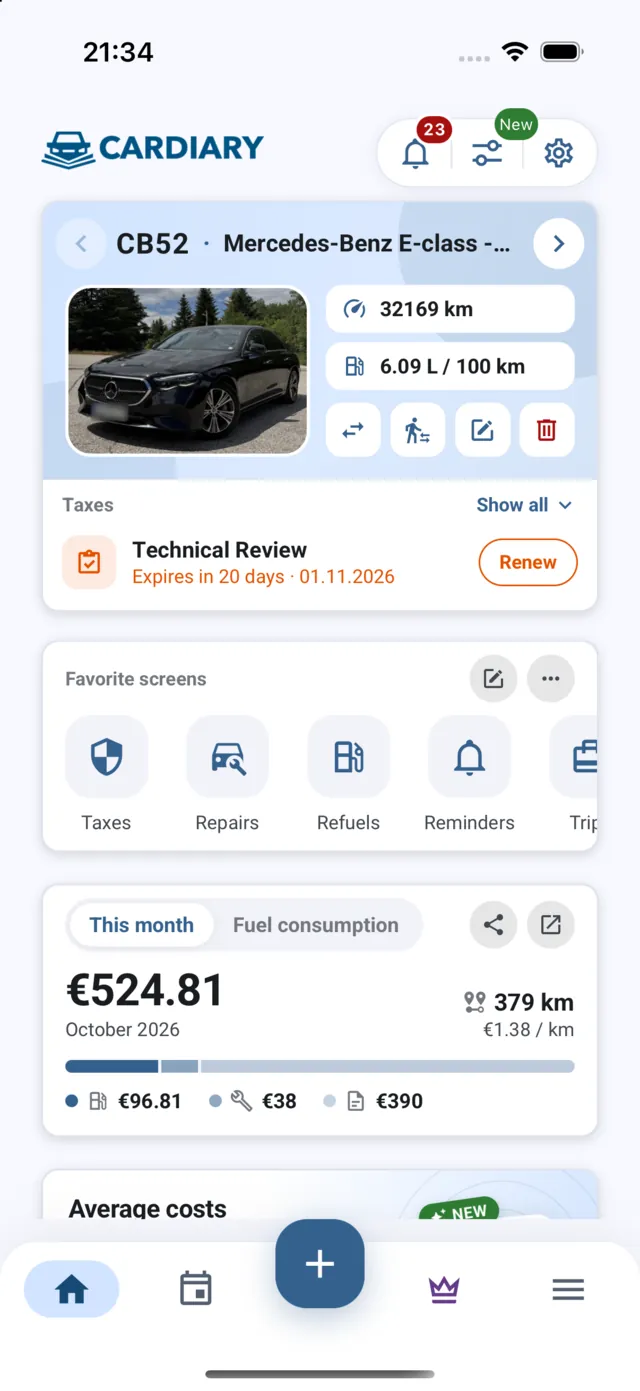
A deadline reminder in CarDiary for your registration renewal date keeps the current paperwork in view, so you are not searching a glovebox at a tow lot at 7 a.m.
Where can I park when a snow emergency is on?
The legal options depend on the rule, but most drivers have four choices. Pick the one that matches your city's sign and alert, and check the rules before you leave the car.
- A private driveway or garage off the snow route, with the owner's permission.
- A paid lot or parking garage, which is often the simplest choice in a downtown with route rules.
- A designated city snow lot, when the city opens one, as Lynn, Massachusetts does.
- A street one block away that is outside the snow route and has no snow ban sign.
Ask the owner before you park on a friend's street or in a neighbor's driveway, since blocking a driveway creates a separate problem. If you have to walk back to the car in heavy snow, plan the route first and keep the phone charged, because the walk can take longer than the drive.
What mistakes do drivers make with snow parking bans?
Most tows come from a small set of habits, and each one is easy to fix once you know it.
- Assuming the ban ends when the snow stops. Plows may still be working the route, so wait for the official all-clear before moving the car back.
- Believing the snow rule covers every night. Chicago's winter overnight ban on arterial streets applies regardless of snow, so a dry night can still bring a tow.
- Checking the sign only once. Route signs can change at a corner, and the sign at the start of the block may not cover the space where you parked.
- Waiting too long to move. A car moved after plowing is often parked behind a snow bank, which turns a simple move into a stuck car.
- Ignoring a forecast alert because the storm looked small. Some cities start bans on predicted snow, so a light-looking forecast can still trigger a ban.
- Forgetting the documents. Without current registration and proof of insurance, getting the car back can take a second trip.
Snow emergency parking questions drivers ask
Can a car be towed when there is no snow?
Yes, in some cities. Chicago's winter overnight ban on posted arterial streets runs from 3 a.m. to 7 a.m. from December 1 through April 1, and it applies regardless of snow.
How do I find out where my car was towed?
Start with the city's 311 line or its public works website, which usually names the impound lot. Chicago drivers can call 311 to check whether a car was towed under the winter ban.
Do I have to pay the tow before I get my car back?
Usually yes. The fee is paid to the tow company or impound lot, and the lot may require a valid driver's license, proof of ownership and proof of insurance before release.
Is the 2-inch snow rule the same in every city?
No. Chicago's 2-inch rule is one example. Other cities use route signs, forecasts or a citywide declaration, so check your own city's rules before the next storm.