When you compare all-weather vs winter tires, the answer depends on how often your roads turn cold and white. A dedicated winter tire is the better choice when temperatures stay near or below freezing for weeks and snow or ice is common where you drive. All-weather tires make sense for a driver who sees only a few snowy or icy days a winter and wants one set of tires on the car all year.
The trade-off is grip on snow and ice. All-weather tires give up some braking and starting traction in exchange for year-round convenience and no second set of wheels to store. The sections below explain the difference, what the 3PMSF symbol really tells you, who should choose each type, and where drivers make costly mistakes at the first cold snap.
All-weather vs winter tires: what is the real difference?
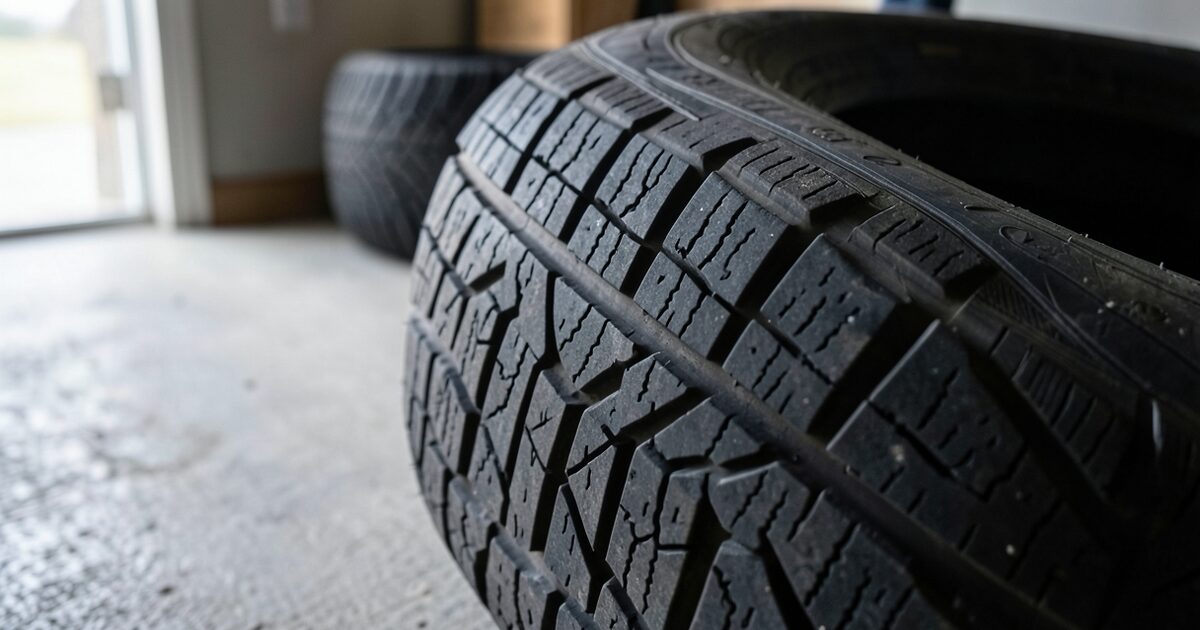
A winter tire is built for cold. Its rubber compound stays flexible below about 45°F, when a standard all-season compound starts to stiffen and lose grip. Its tread carries many thin cuts called sipes that bite into snow and slush, plus wide grooves that clear slush so the contact patch stays on the road.
An all-weather tire is a compromise designed to be a single set all year. It uses a tread and compound aimed at wet pavement, light snow and mild ice, and it usually stays comfortable through warm summers. It does not match a dedicated winter tire when the road is packed snow or glare ice during a long cold spell.
Plain all-season tires sit at the bottom of the snow list. Many carry only the M+S (mud and snow) marking, which is based on tread design rather than a snow traction test. That is why a tire can carry the M+S mark and still struggle on a steep, snowy hill with a few inches of fresh powder.
Which tire stops better on snow and ice?
On snow and ice, the compound matters as much as the tread pattern. A winter compound keeps the tire gripping when the air sits in the 20s or teens, and that grip is what shortens braking distance on a slick road. Tire Rack, a US tire retailer, has argued that 3PMSF all-weather tires cannot match dedicated winter tires in every winter condition. That is one seller's view, so compare independent tests and owner reviews before you decide.
When you compare two sets, judge them on the points that matter on your own roads:
- Braking on packed snow, which is the condition most commuters meet on a cold morning
- Starting from a stop on a snowy grade, such as a parking garage ramp or a hill near the school
- Braking and steering on glare ice, where most drivers lose control first
- Grip in a wet, cool spring, when a soft winter tire can feel vague and wear faster
- Road noise and tread life on a car that stays on the same tires all year
If a test shows the all-weather set stopping much farther on the same packed snow, that gap is the one to weigh. It shows up on the hill you cannot avoid, not on a dry highway in July.
What does the 3PMSF symbol tell a US buyer?
The three-peak mountain snowflake, labeled 3PMSF, is a performance classification. A tire earns it by passing a winter traction test, which makes it a stronger signal than the older M+S marking. Some all-weather tires carry the 3PMSF symbol, and some winter tires do too, so the symbol is a test result rather than the name of a product category.
Check the sidewall rather than the sales page. Find the mountain-snowflake mark next to the size code, then confirm the load index and speed rating match what your car requires. An all-weather tire without the symbol is a weaker choice for mountain routes, even if the box says all-weather in large type.
Who should pick all-weather tires in the US?
All-weather tires fit a region where snow comes a few times a winter and melts within a few days. Take a driver in central North Carolina with a 2021 Subaru Outback who drives about 30 miles a day, mostly on highways and suburban arterials. This is a hypothetical, but the pattern is common: the car sees a handful of icy mornings and perhaps one real snowfall a winter, so a second set of tires would sit in a garage for most of the year.
For that driver, an all-weather set makes sense as long as the tread is deep enough and the tire carries the 3PMSF symbol. One set saves two swaps a year and keeps the car ready for a sudden cold front. The same driver should switch to a winter set if the commute includes a steep, late-plowed hill, or if the car will regularly cross a northern state's mountains in January.
Compare that with a driver in a snow-belt suburb who sees snow from November through March, with long stretches below freezing and icy driveways. For that driver, the difference in braking on packed snow is the reason to buy a winter set, even with the cost and storage of a second set of wheels. The right answer is less about the tire brand and more about how many weeks a year the road stays cold and slick.
Do state traction rules change which tire you need?
Yes, on certain routes. Mountain passes in several western states post chain or traction-tire requirements during storms, and the rules can change by pass, by weather and by vehicle type. Some of those rules accept tires that carry the 3PMSF symbol, while others still call for chains or a specific tire category on posted days.
Before a winter mountain trip, check your state department of transportation for the current traction rules on the exact route, and read the signs at the pass before you commit. Do not rely on a tire shop to explain a state's rules, because shops are not the enforcing authority. A driver with all-weather tires on a commute may still need chains at a posted pass, so the trip plan matters as much as the tire.
What mistakes do drivers make when switching tires?
The most common mistake is treating all-wheel drive as a substitute for winter tires. AWD helps a car start and accelerate on snow, but it does not add braking grip on ice. The tires still do the stopping and the steering, so the tire choice matters on every slope and corner.
Other mistakes show up every winter:
- Mixing tire types. Keep the same type on all four corners, because a winter tire on two wheels and an all-season on the other two can change how the car behaves in a slide.
- Waiting for the first snow to swap. Tire shops fill up in the first cold week, and a car on summer or all-season tires in an early storm has the least grip when it needs it most.
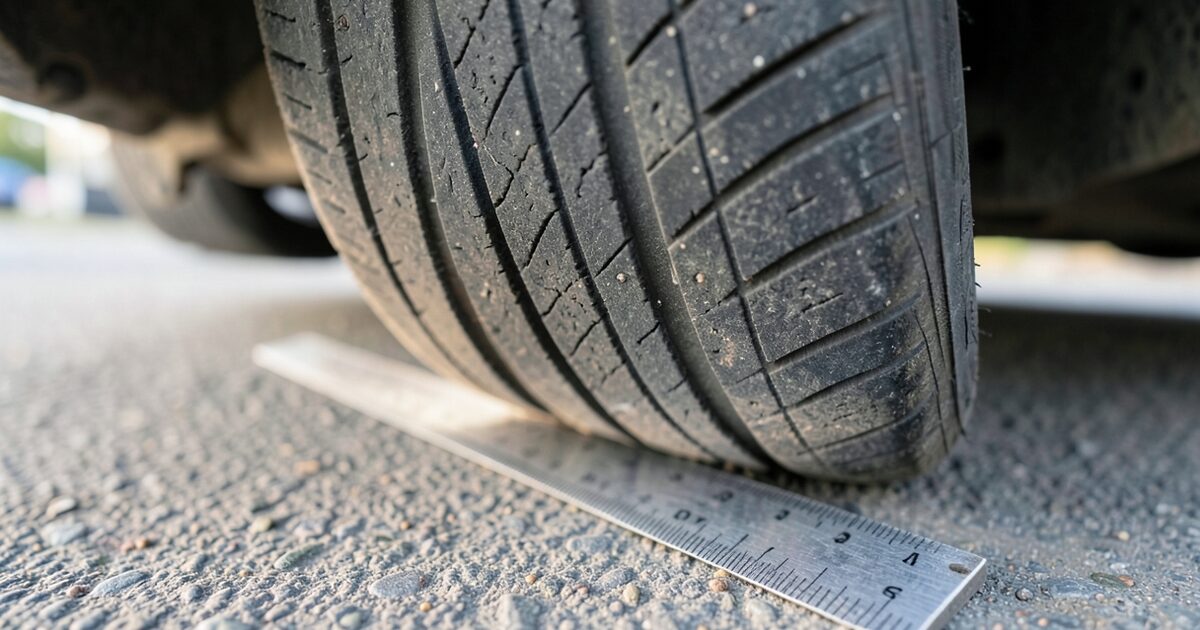
- Running winter tires too thin. Many tire makers suggest replacing winter tires when the tread wears to around 6/32 inch, because snow grip falls with wear. Most states set a legal minimum of 2/32 inch, which is far below what a winter tire needs to bite in snow.
- Buying on price alone. A cheap set with a weak compound or no 3PMSF symbol may cost less at the counter but gives less grip on the one icy morning that matters.
CarDiary is a digital vehicle cost and deadline log, so you can record each swap date, odometer reading and tread measurement in one place instead of a spreadsheet.
Frequently asked questions about all-weather and winter tires
Are all-weather tires as good as winter tires in snow?
No. All-weather tires are a compromise that handles light snow and wet roads well. Winter tires stop better in deep cold, on packed snow and on ice.
Do I need winter tires if my car has all-wheel drive?
AWD helps you get moving on snow, but it does not shorten braking distance. For regular snow and ice, winter tires still matter more than the drivetrain.
Does the 3PMSF symbol mean a tire is a winter tire?
It means the tire passed a winter traction test. Some all-weather tires carry the symbol too, so check the sidewall and the tire category together.
When should I swap to winter tires?
Many drivers swap when daily temperatures stay near or below 45°F, before the first real snow. Shops get busy quickly in that window, so book the swap early.