If an electric car shows 250 miles on a mild morning and the estimate falls sharply on a 20-degree day, the car is working as designed. Cold slows battery chemistry, reduces the power the pack can accept and deliver, and forces the cabin heater to draw real energy. The question most US drivers ask in late November and December is how much EV range in cold weather to plan for, and what can be done to keep more of it.
The most cited US number comes from AAA. In its 2019 dynamometer test in a climate-controlled cell, average range at 20°F fell about 12% with the cabin heater off and about 41% with it on, compared with a 75°F baseline, according to AAA's cold-weather range study. That was a single test on a handful of models, so treat it as a planning range rather than a promise. On a hard winter day with the heat running, plan for a loss somewhere between those two figures and check your own car on a few cold drives.
How much EV range in cold weather should you expect to lose?
Start with the rated range from the window sticker or the trip computer's estimate on a mild day. Apply the cold penalty to that number, not to the highway figure in a brochure. Short trips hurt more than long drives because the battery and cabin never fully warm up, so a 15-minute errand can cost a larger share of range than a 90-minute highway run.
Take a driver with a crossover rated at 250 miles who leaves home at 20°F and runs the cabin heat on a 30-minute commute. Using AAA's heater-on figure, 250 miles becomes about 148 miles on that morning. A heat pump system and heated seats can narrow the gap, while a resistance heater running at full blast can widen it. The practical takeaway is to plan the next charge around the cold number, not the rated one.
What should you do before a cold-morning drive in an EV?
Keep the car plugged in while you preheat. Fueleconomy.gov notes that preheating the cabin while plugged in can extend range, because the charger supplies the energy instead of the battery.
Set a departure time if the car supports scheduled preconditioning. Many models warm the battery only while plugged in, so a car left unplugged at 20°F starts its drive cold.
Check tire pressure when the tires are cold. Pressure drops as temperatures fall, and underinflated tires add rolling resistance. The steps in cold weather tire pressure and the TPMS light apply to EVs as well.
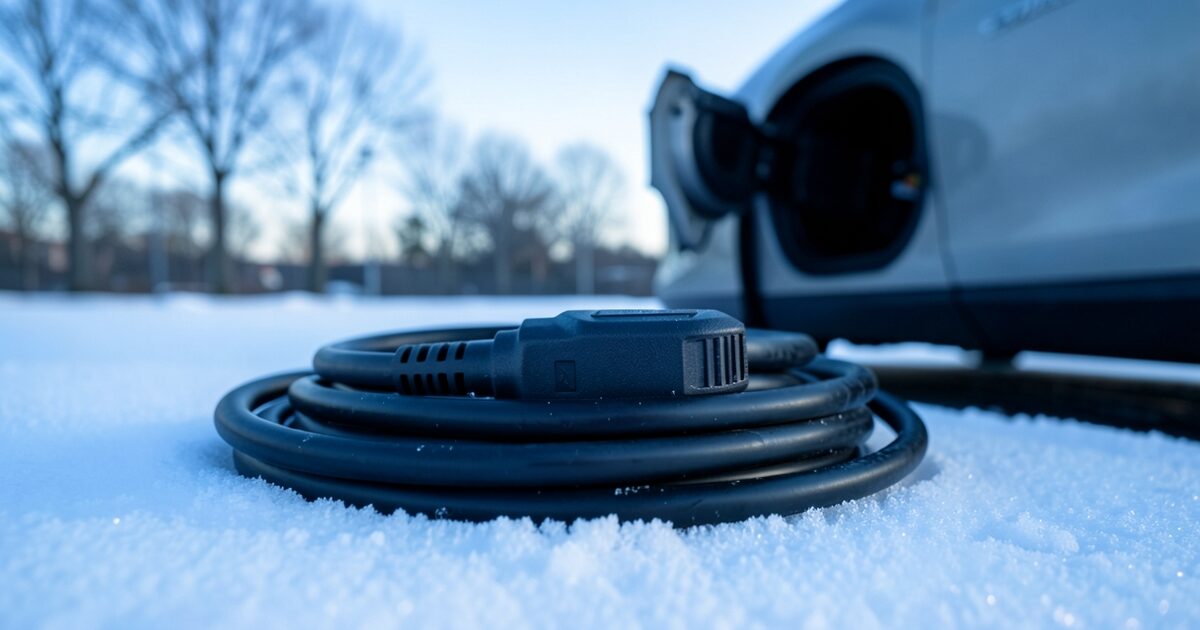
Clear snow from the charge port cover before you plug in, so the lid opens fully and the connector can be inserted without forcing it through slush.
Seat heaters or cabin heat: which one keeps more range?
Heated seats and a heated steering wheel warm the people in the car, not the entire cabin air volume. That makes them far cheaper in battery energy than the full cabin heater. Fueleconomy.gov recommends seat warmers in place of the cabin heater where possible, and most owners can lower the cabin setting once the seats are warm.
The defroster is not optional. Clear glass comes first, so let the defroster run until the windshield is clear, then reduce the fan and keep the seat heat on. Drivers who set the cabin to the highest temperature and leave the fan on max for the whole drive often arrive with less range than the morning estimate suggested.
How do you plan a winter highway trip with charging stops?
On a long trip, the rule is to reach each charger with a margin, not with the battery near empty. A cold battery also accepts charge more slowly at the start of a session, so a DC fast charger rated for a high peak may deliver less for the first several minutes. Build the route in the car's navigation or a charging app, and assume the first stop will take longer than the listed time.
Picture a 220-mile winter leg on an interstate in the Mountain West, where the next DC fast charger sits 90 miles past the last one and the forecast shows a wind chill in the single digits. A driver who leaves with a full battery, drives at 75 mph and keeps the cabin heat high can reach that charger with less reserve than planned on a mild day. Slowing to 65 mph, lowering the cabin setting and checking the charger's status before the last exit is the better decision. Carry the basics from a winter emergency kit in case a charger is out of service or the car stops in snow.
What mistakes leave EV drivers stranded in winter?
Waiting for the low-range warning before looking for a charger. In cold weather the estimate can lag the real drop, so the warning may arrive with little room to spare.
Relying on a 120-volt home outlet to refill the car overnight after a cold trip. Slow charging may not keep up with heating the battery and cabin the next morning.
Ignoring the battery warm-up. A car that has just arrived at a cold charger needs time before it accepts its peak charging rate, so the first ten minutes can look disappointing.
Treating the winter drop as permanent damage. Most of the loss returns as the pack warms, though battery health is a separate check that a service department can run.
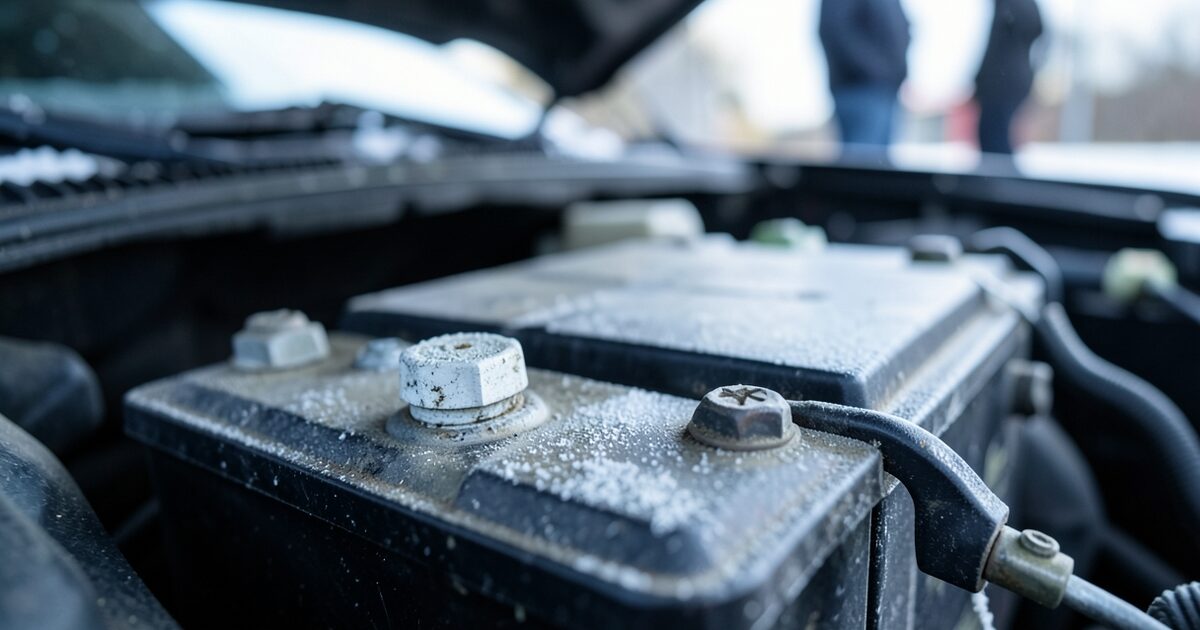
A weak 12-volt battery can also cause odd behavior in a cold snap, which is why the guide to cold weather car battery checks belongs on the same winter checklist. If a shop replaces that battery or repairs a heat pump component, write the date, the mileage and the part into CarDiary's service log so the next technician can see the cold-weather history without digging through paper invoices.
Frequently asked questions about EV range in cold weather
Does cold weather permanently reduce EV battery capacity?
No. Most of the range loss in cold weather is temporary and returns as the battery warms. Long-term battery health is a separate question that depends on age, charging habits and the manufacturer's diagnostic data.
Do I need to plug in to preheat the car?
Often yes. Many EVs use grid power for battery preconditioning only while connected, so check the owner's manual for your model. Some cars can also start preheating on a schedule.
Is seat heat better than cabin heat for range?
Usually yes. Seat and steering wheel heaters warm the occupants directly and use far less energy than heating the whole cabin. Keep the defroster running until the glass is clear.
Is a Level 2 charger better for preheating in winter?
A Level 2 charger gives the car more power to preheat and still charge the pack. A 120-volt outlet may not keep up with the heating load on a short overnight stop.