This Ford F-150 front seat recall, filed with NHTSA as campaign 26V655, is small but specific. It covers 2,276 trucks from the 2025 through 2027 model years whose front seats may not be properly secured to the floor. Your VIN decides whether your truck is included, and the fix is a dealer inspection that tightens or replaces seat bolts at no charge.
If you own or are shopping for one of these trucks, the practical questions are simple: is my F-150 affected, what will the dealer do, and can I keep driving until the visit? The steps below answer each one in order.
Which F-150 trucks are in the front seat recall?
NHTSA campaign 26V655 covers 2,276 Ford F-150 pickups from the 2025 through 2027 model years. The NHTSA filing is dated October 6, 2026, and Ford tracks the same action under its own internal number, 26S74. Because the recall is defined by VIN range rather than by trim or engine, model year alone does not settle whether your truck is in it.
Do not confuse this with the separate fuel tank campaign, 26V578, which covers a wider span of F-150s from 2023 through 2027. A truck in the 2025 to 2027 range can appear under both numbers, so check each campaign separately instead of assuming one notice covers the other. Owners who see two recall letters for the same truck are not getting a duplicate by mistake.
Phased recalls also explain why neighbors with the same model year can get letters on different dates. Ford mails owner notices in batches, and the NHTSA schedule for this campaign pointed to late October 2026 for the first group. A truck that was built or assigned to a later batch may not receive a letter until weeks after the first mailing.
What is wrong with the front seats?
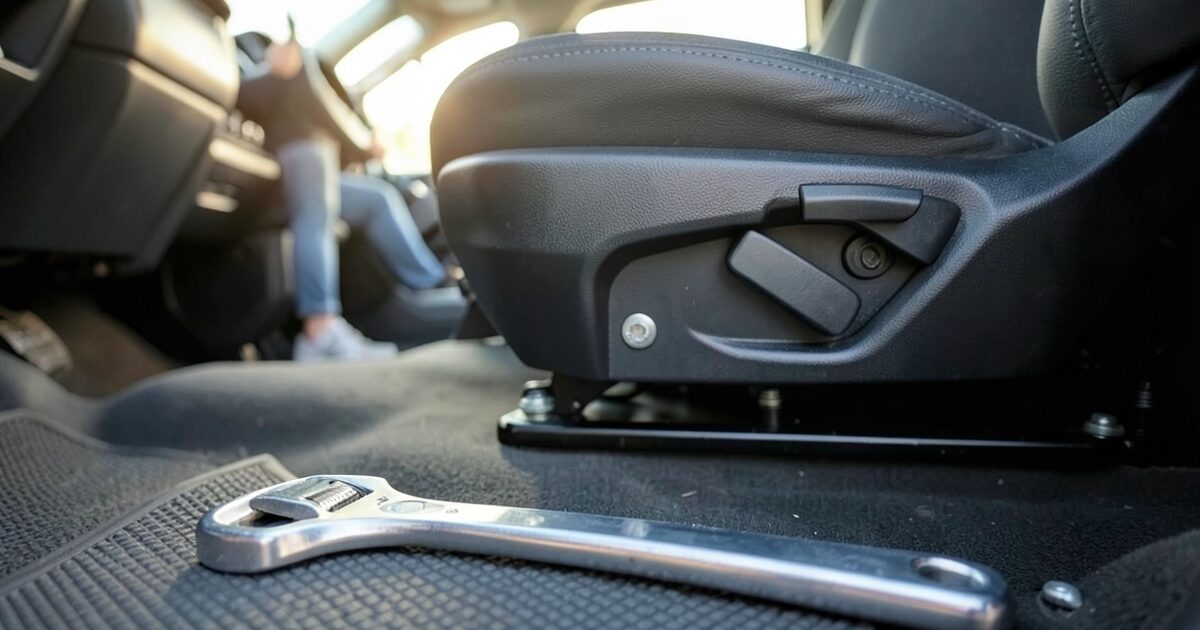
The NHTSA report says a warranty claim dated June 23, 2026 described a 2026 F-150 with the driver seat missing one seat-to-body bolt and the passenger seat bolt not fully seated. The report ties that condition to a plant workstation where an operator could not secure the seat properly. In plain terms, the seat may not be fastened to the floor the way the engineering specification requires.
The filing starts from a warranty report, not from a crash investigation, and the owner letter states the safety risk in its own words. Read that section of the letter before you decide how urgently to book the visit. A seat that is only loosely held can move under braking or in a sudden turn, which is why any movement you can feel should be treated as more than a rattle.
How do I check whether my F-150 is affected?
Start with the 17-character VIN. You can find it on the sticker inside the driver-side door jamb or on the metal plate at the lower corner of the dashboard, visible through the windshield. Then work through these steps in order:
- Enter the VIN at nhtsa.gov/recalls and write down every open campaign listed, including 26V655 and 26V578.
- Call a Ford dealer, give the VIN, and ask whether the front seat bolt inspection for 26V655 is already recorded on the truck.
- Check your mail for the owner letter. If it has not arrived and the VIN shows the recall as open, do not assume the truck is clear; ask the dealer to book the inspection anyway.
- If you bought the truck used, ask the seller or previous dealer for the last repair order. Recalls follow the vehicle, so any dealer can perform the remedy regardless of who owns the truck.
A search result showing no open recall is the only result that counts as clear. Save a printout or screenshot dated the day you checked, because recall status can change when a new campaign is added or a remedy is completed.
What does the free dealer fix involve?
The dealer inspects both front seat mounting bolts. If a bolt is loose, the technician tightens it to the torque specification. If a bolt is missing, the dealer installs the hardware that should have been there from the factory. Ford covers the work at no charge, so you should not be asked to pay a diagnostic or parts fee for this campaign.
Before you go, call ahead and ask how long the appointment will take, whether the service advisor will check both front seats, and whether the work is booked under the recall rather than as a paid repair. Bring the VIN printout and your registration. Ask for a repair order that lists each bolt inspected and the action taken, such as torqued or replaced, because that document is the proof you will need later.
A dealer visit for this kind of work is usually short, but the exact time depends on the service bay schedule and parts availability. Booking an appointment is better than waiting for a walk-in, especially if you need the truck for work.
Can I keep driving my F-150 before the repair?
The answer depends on the wording of the owner letter and on what you feel inside the cab. If a front seat slides, rocks, or sits unevenly when you sit on it, stop carrying passengers in that seat until a dealer has inspected it. A seat that moves under you is a safety problem, not a comfort issue, and you should not wait for a routine appointment to find out how loose it is.
If the seat feels solid and no letter has arrived, you can keep using the truck while you book the visit. Follow any interim guidance in the owner letter, and call the dealer sooner if the seat changes. If you cannot get an appointment quickly, call the NHTSA Vehicle Safety Hotline at 888-327-4236 to report a concern about a seat that moves, and ask the dealer for an earlier slot.
What mistakes do owners make with this recall?
The most common mistake is treating the recall letter as junk mail. Recall notices look like promotions, and the truck then carries an open campaign for months. Set a reminder to check the NHTSA lookup once a month until the repair order is in hand.
The second mistake is checking only one campaign number. A truck in the 2025 to 2027 range may appear under both 26V655 and 26V578, so a search for the seat recall alone can miss an open fuel tank campaign. Enter the VIN once and read the full list of results rather than stopping at the first match.
Here is a hypothetical example, not a real owner case. Dana bought a used 2026 F-150 in March and enters her VIN at nhtsa.gov/recalls, finding 26V655 open but no letter in the mail. She calls a dealer, which finds the driver seat bolt loose during the inspection, tightens it, and issues a repair order. Dana files that order with the VIN printout the same day, so a future buyer or warranty adviser can see that the work was done.
How do I keep a record of the seat repair?
Keep the dealer repair order, the NHTSA printout, and the visit date together in one folder, either paper or digital. Dates matter if a later recall or a warranty question comes up, and a repair order with the bolt details is stronger proof than a verbal note. Store the scanned order next to the recall number so you can find it in seconds.
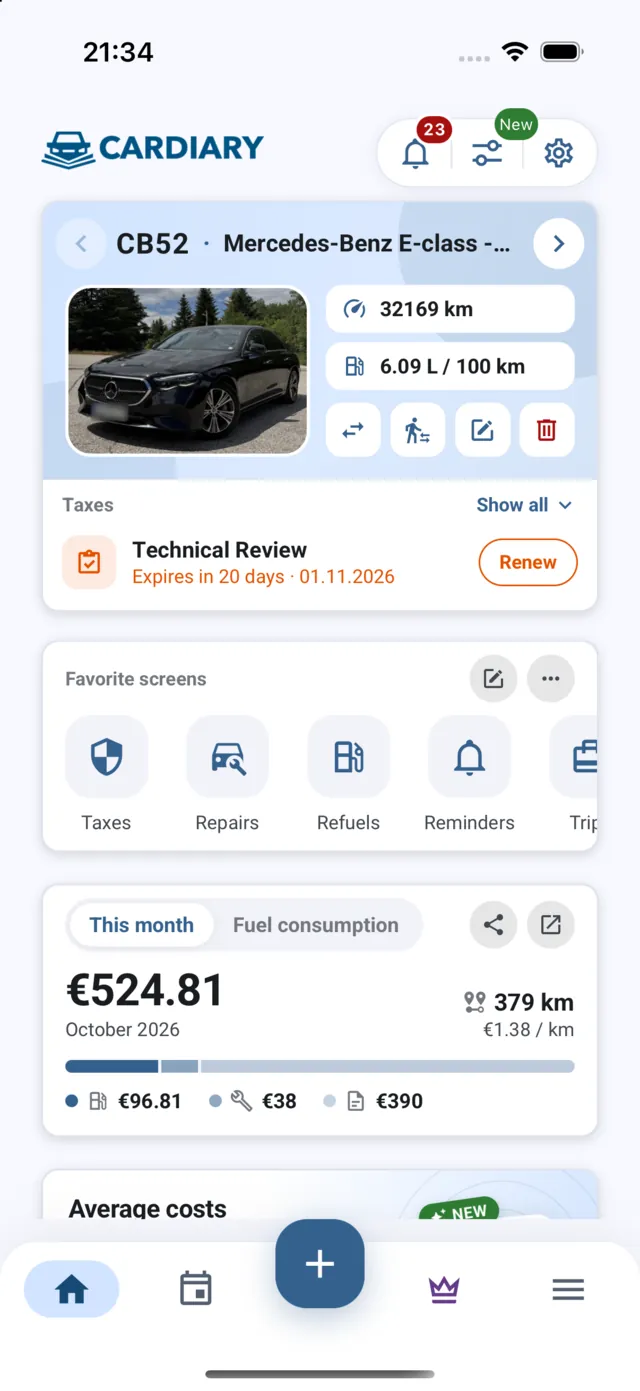
A service log entry in CarDiary, a digital log of vehicle costs and deadlines that replaces a spreadsheet, can hold the recall number and repair date beside your other truck records, though it is not an official NHTSA, Ford, or government register.
Frequently asked questions
Is every 2025 to 2027 F-150 affected by recall 26V655?
No. The recall covers 2,276 trucks identified by VIN, so only vehicles in that population are included. Enter your VIN at nhtsa.gov/recalls to see whether your truck is listed.
Does the front seat bolt fix cost anything?
The inspection and any tightening or hardware replacement are performed at no charge at a Ford dealer. Ask the service advisor to confirm that the visit is booked under the recall before you authorize any other work.
Can a dealer check a used F-150 for this recall?
Yes. Recalls follow the VIN, so any authorized dealer can inspect the seats and perform the remedy on an affected truck, whoever owns it.
What should I do if a front seat moves?
Stop carrying passengers in that seat and call your Ford dealer for the earliest appointment available. You can also report the concern to the NHTSA Vehicle Safety Hotline at 888-327-4236.