Used car title brands such as salvage, flood, and rebuilt can hide behind a car that looks fine on a test drive. The question most buyers type into Google is simple: how do I find out whether a used car has a bad title brand before I pay? The short answer is to run the VIN through two independent sources, then compare what the seller hands you with the state title record. Neither step takes long, and together they catch problems that a clean-looking car can conceal.
Title rules and brand wording are set by each state, so the paper title and the state record are the documents that count at the DMV. The steps below apply to any used vehicle sold in the United States, whether it comes from a dealer or a private seller.
What Used Car Title Brands Mean
A title brand is a permanent notation on a vehicle's title that records a major past event. The most common brands are salvage, which usually means an insurer declared the car a total loss, and flood, which means water damaged the car. A rebuilt brand means a salvage car was repaired and then cleared by the state to return to the road.
Terms differ by state. Some states use reconstructed instead of rebuilt, and some add a junk brand for cars that can only be used for parts. Read the exact wording on the title rather than relying on a seller's summary.
A branded title does not automatically mean the car is unsafe. Many rebuilt vehicles are repaired well, and some buyers purchase them at a discount on purpose. The brand changes three things: resale value, which insurers will quote full coverage, and how much you can trust the repair history. Ask the seller to explain the damage in writing before you visit.
Which VIN Checks to Run Before You Visit
Start with the 17-character VIN. It should match on the dashboard, the driver's door jamb sticker, the title, and the registration. If any one of them differs, stop there. If they match, run the VIN through these checks in order.
- NICB VINCheck, run by the National Insurance Crime Bureau. It is free and searches theft-not-recovered, salvage, and flood records reported by participating insurers. It is not a full history, so a clean result is only one data point.
- An NMVTIS-based vehicle history report. NMVTIS, the National Motor Vehicle Title Information System, is the federal title database, and consumers reach it through approved data providers. Some providers charge a small fee for a title-only report, while full reports add accident and service records at a higher price.
- The state title record, requested from the state DMV or county titling office when the seller cannot explain a brand.
Here is a worked example. A buyer in Tampa is looking at a 2016 Honda CR-V listed as clean. The NICB check returns no record, but the NMVTIS-based report shows a salvage brand from another state three years earlier. The seller says the car only had hail damage, so the buyer asks for the title image and orders the state record. The record matches the report, and the buyer walks away. Neither check alone would have told the whole story.
CarDiary's VIN check page at https://www.car-diary.net/en/check-vin is a convenient place to begin the VIN side of this, but it is not a title registry, so the state record still decides.
What to Look for on the Paper Title
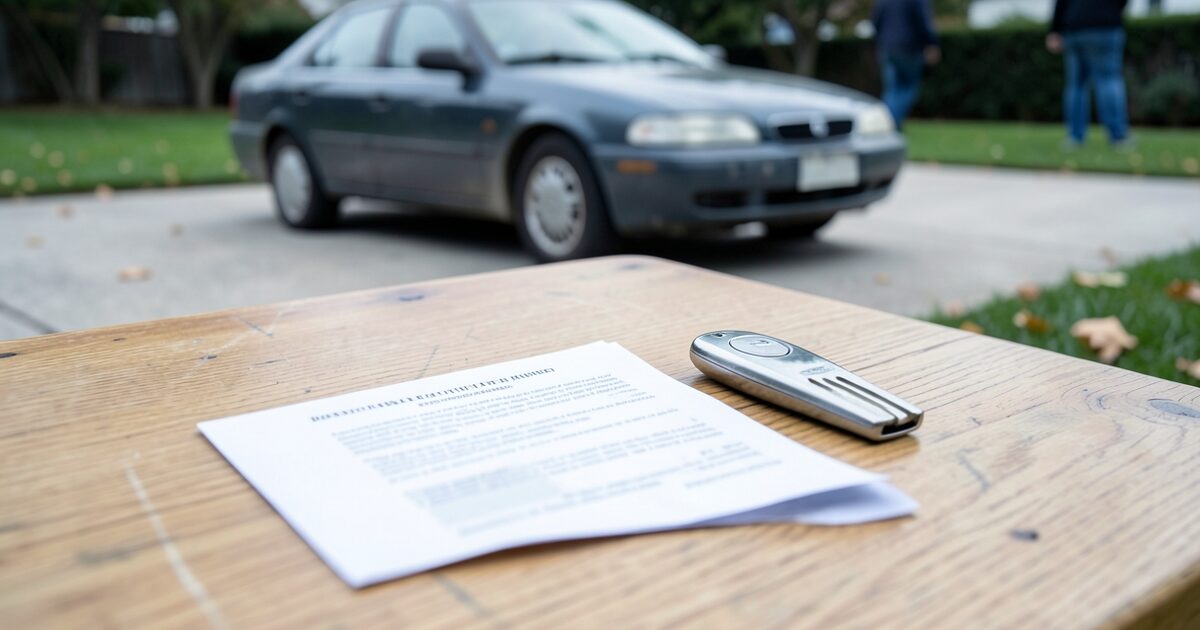
Ask to see the original paper title before you hand over money. A phone photo can hide an altered brand line or a reissued date. Look at the brand line, the owner names, the odometer disclosure, and the lien section.
A missing or overwritten brand line is a red flag. So is a title that has been reissued several times in a short period, or a seller whose name does not match the title. If the title lists a lienholder, ask for the lien release letter, since the car may not be transferable without it.
Compare the odometer reading on the title with the service records and the history report. A reading that goes backward or a long gap in mileage history is a reason to walk away, even when the title is clean. Forms and transfer fees vary by state, so confirm the paperwork with the DMV before you sign.
Signs of Flood Damage You Can Check in Person
A flood-damaged car is not always branded. Some water-damaged vehicles are sold in other states before a brand is applied, so inspect the car even when the paperwork looks clean. Start with the smell. A musty or mildew odor that an air freshener cannot hide is a warning sign.
- Silt or sand in the seat tracks, under the carpet, or in the spare tire well
- Carpet that is loose, faded, or does not match the rest of the interior
- Rust on seat bolts, the underside of the dashboard, or inside the trunk lid hardware
- Moisture or a waterline inside headlight and taillight housings
- Electrical faults, such as a warning light that stays on or a radio that cuts out for no clear reason
Flood damage can appear weeks after purchase, when corrosion and wiring problems develop. An independent pre-purchase inspection is the best check. Ask the mechanic to lift the carpet and look at the wiring connectors, not just the engine bay.
What Happens If the Car Has a Salvage or Rebuilt Brand
A salvage-branded car usually cannot be driven on public roads until it is repaired and goes through the state's rebuilt process. Do not buy one expecting to drive it home the same day. Ask the DMV what paperwork is needed to retitle it, and whether an inspection is required before registration.
A rebuilt car is a different situation. It can be driven and registered after the state process, but some lenders decline to finance it, and some insurers will not offer full coverage or will quote a higher premium. Resale value is lower than for a clean-title car of the same age and model, so compare the price with those costs in mind.
For a rebuilt car, ask for the repair invoices, the parts list, and the body shop photos. Good records make the car easier to sell later. Missing records mean you are buying an unknown repair.
Mistakes Buyers Make When Checking Title History
- Trusting one report. A clean VIN report does not prove the car was never in a crash or a flood, because cash repairs and unclaimed damage often go unrecorded.
- Accepting a scanned title. Scans can hide brands or altered dates. Ask for the original and check it against the state record when possible.
- Skipping the VIN match. Some sellers attach a title from a similar car. Compare the VIN on the title, dashboard, and door jamb.
- Assuming an out-of-state car has no brand. A brand from another state may be worded differently on the new title, so check both documents.
- Skipping the bill of sale. A seller who will not sign a bill of sale that shows the odometer reading is a reason to slow down.
Frequently Asked Questions About Title Brands
Does a clean VIN report mean the car has no title brand?
Not always. Reports depend on what was submitted to databases, and some states and insurers update records slowly. Use the report as one check, and compare it with the paper title and the state record.
Can I register a rebuilt-title car in my state?
Often yes, but only after your state's rebuilt or reconstructed process, which may include an inspection. Contact your state DMV before you pay, because rules differ.
Is NICB VINCheck enough to rule out flood damage?
No. It covers only records reported by participating insurers, so an unreported flood can be missed. A mechanic inspection and the title history are still needed.
Where do I get an NMVTIS report?
Use an approved NMVTIS data provider, which you can find through the official NMVTIS consumer site. Some providers offer a low-cost title report, while full history reports cost more.