Sierra Nevada chain controls follow three levels, R-1, R-2 and R-3, and the level on the overhead sign decides what your car must carry or fit before it can climb Interstate 80 over Donner Summit or Highway 50 over Echo Summit. For a passenger car, the short answer is this: at R-1 you need chains or traction devices on the drive axle unless you have snow tires with proper tread, at R-2 most vehicles need chains or traction devices, and at R-3 every vehicle does, with no exceptions.
The rules matter most in November and December, when the first storms often arrive before drivers have bought chains or checked their tires. Caltrans winter driving guidance sets out the definitions, and the sections below show how they apply to a front-wheel drive sedan, an all-wheel drive crossover and a pickup on a mountain grade.
How Sierra Nevada chain controls work at R-1, R-2 and R-3
Caltrans uses the three levels as a ladder. Each step adds requirements, and the highway itself is usually closed before the top step is imposed. The levels are posted on signs and change with conditions, not on a calendar.
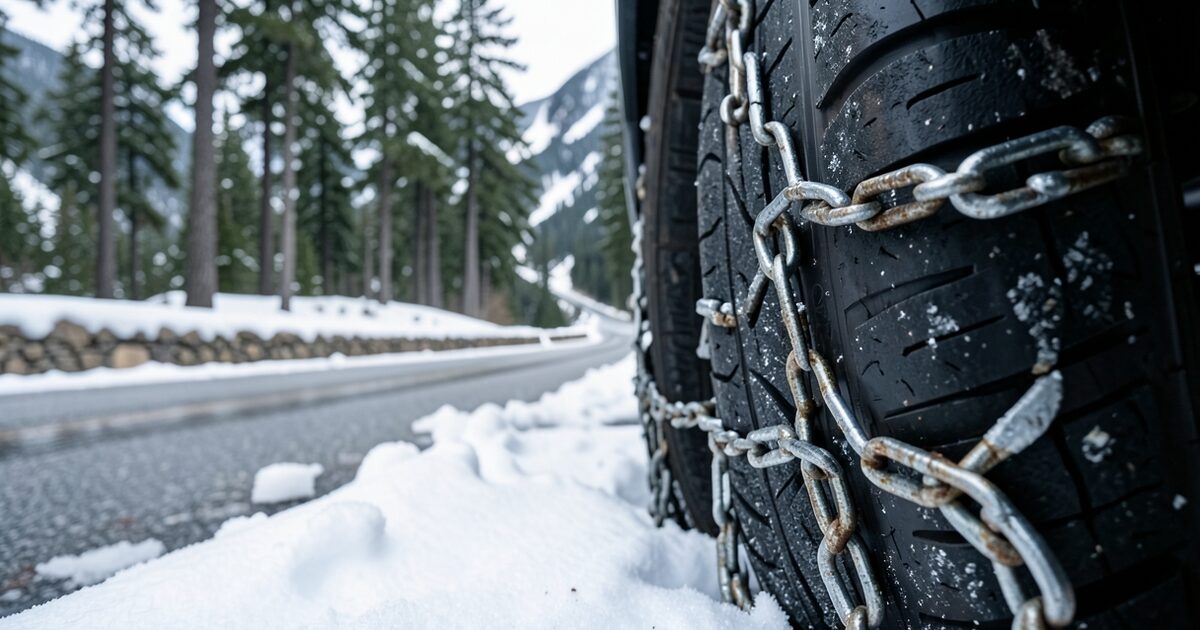
- R-1: Chains, traction devices or snow tires with proper tread depth of 6/32 inch are required on the drive axle of most vehicles. Four-wheel and all-wheel drive vehicles are exempt from this drive-axle requirement.
- R-2: Chains or traction devices are required on all vehicles except four-wheel and all-wheel drive vehicles that have snow-tread tires on all four wheels. Exempt vehicles still have to carry traction devices.
- R-3: Chains or traction devices are required on every vehicle, with no exceptions.
Caltrans describes R-1 and R-2 as the most common conditions. A sedan owner will most likely meet one of those two signs on a typical storm day, so the R-2 exemption needs to be understood before the trip starts, not at the bottom of the grade.
Does an all-wheel drive car need chains in the Sierra?
Sometimes not, but the exemption is narrower than most owners expect. At R-1, a four-wheel or all-wheel drive vehicle is exempt from the drive-axle requirement. At R-2, it is exempt only when it has snow-tread tires on all four wheels, and Caltrans still says these vehicles must carry traction devices in chain control areas.
Take a 2022 Subaru Outback on all-season tires. Its all-wheel drive helps it pull away from a stop, but all-season tires do not meet the snow-tread condition for the R-2 exemption. The driver must fit chains or traction devices anyway, and the drive system does not change that. Caltrans also recommends that every vehicle carry chains, including those with four-wheel drive or snow tires.
What counts as a snow tire at R-1, and how deep is 6/32 inch?
At R-1, the tire option that many sedans rely on is snow tires with proper tread depth of 6/32 inch on the drive axle. For a front-wheel drive car, that means the front pair. The number is the thing to check, not the word winter on the sidewall, and a coin test is too rough for a threshold this specific. A tread depth gauge gives a direct reading.
Many new passenger tires start at about 10/32 inch, so a set that has worn to 5/32 inch has lost about half its usable depth. Look for the three-peak mountain snowflake mark on the sidewall, which shows the tire is rated for snow, but the tread reading still decides R-1 compliance.
Consider a front-wheel drive 2018 Toyota Camry with winter tires worn to 5/32 inch on the front axle. At R-1 the drive axle needs chains, traction devices or compliant snow tires, and those front tires fall short of the 6/32 mark. The driver must fit chains to the front wheels even if the rear tires are in good shape. A digital vehicle cost and deadline log such as CarDiary, which replaces a spreadsheet, can hold the fitting date and the last tread reading beside the car's other service records so you do not have to guess before a trip.
Which Sierra highways and passes see chain controls first?
Caltrans District 3 says all Sierra highways that get winter snow can carry chain restrictions during storms, and the highest passes are the ones most often affected. On the Sacramento side, I-80 over Donner Summit and Highway 50 over Echo Summit are the routes most drivers meet first, and Highway 88 over Carson Pass is another frequent chain-control route.
Timing matters. A mid-November storm outlook from the NOAA Climate Prediction Center flagged a moderate risk of significant snow in California's mountains for November 13 to 15, 2026. Check the forecast on the day you travel, not a week before, because a snow outlook can shift by a day or two in either direction.
What should you do at a chain control sign, step by step?
- Check the current level on Caltrans QuickMap before you leave home, and again at the last exit before the grade.
- When a sign shows R-1 or R-2 and your car needs chains, pull into a posted turnout or chain-up area. Do not stop in the travel lane.
- Fit chains to the drive wheels following the chain maker's instructions, then tighten them again after a short distance.
- Drive slowly and leave more following distance than usual. Chains change how the car steers and brakes.
- When the sign returns to no control, pull over and remove the chains. Do not keep them on dry pavement.
What mistakes do drivers make at Sierra chain controls?
- Assuming all-wheel drive or a pickup makes chains optional at R-2, when the exemption requires snow-tread tires on all four wheels.
- Buying chains that do not match the tire size. Check the size before you leave, not in a crowded lot at the bottom of the grade.
- Treating a snow mark on the sidewall as proof of compliance when the tread is below 6/32 inch at R-1.
- Waiting in line at a sign. At R-3, the highway is usually closed before the top level is imposed, so a long wait can end at a closure.
- Practicing chain fitting for the first time on a dark road with snow falling. Do a dry run in the driveway.
How do you check your car before a Sierra trip?
Make the check at home, not on the grade. Confirm which axle is the drive axle, the tire size, and the tread reading on those tires. Confirm that your chains or traction devices fit the wheels you will use.
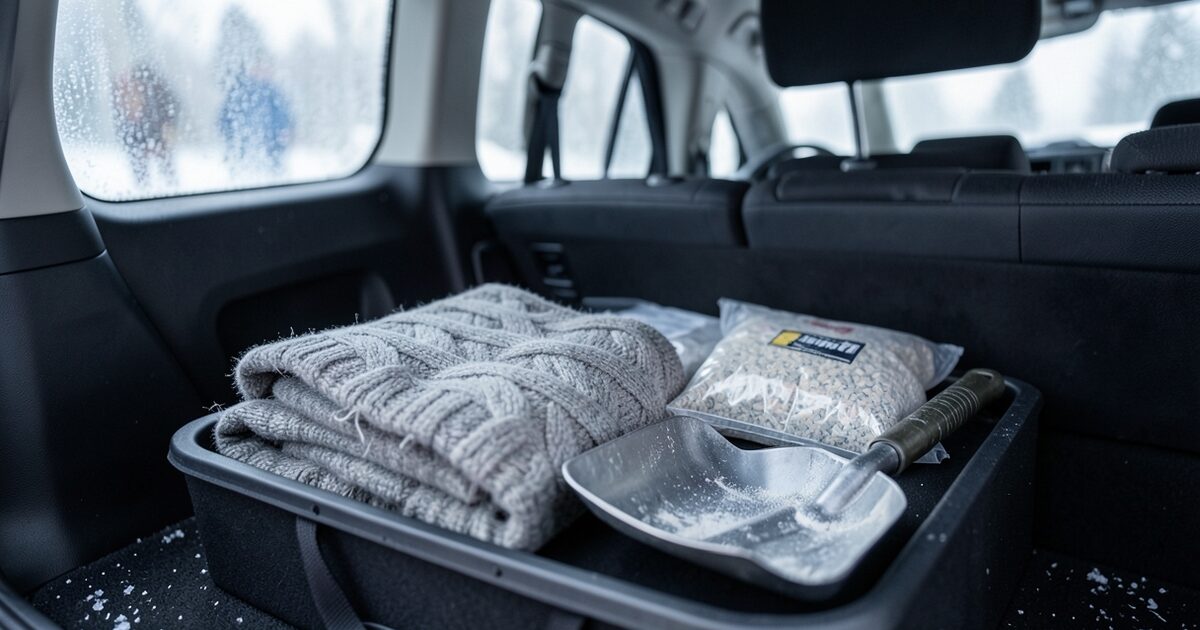
If you rely on all-wheel drive, check all four tires, because the R-2 exemption depends on snow-tread tires on every corner. Keep a dated note of the fitting and the last tread reading in the glovebox or on your phone, and bring the chains in the trunk where you can reach them without unloading luggage.
Common questions about Sierra chain control rules
Do I need chains at R-1 if I have all-wheel drive?
No. At R-1, an all-wheel drive vehicle is exempt from the drive-axle requirement. Caltrans still says four-wheel and all-wheel drive vehicles must carry traction devices in chain control areas, so carry them anyway.
What is the 6/32-inch snow tire rule?
At R-1, snow tires on the drive axle count as compliant only when they have a proper tread depth of 6/32 inch. A tire below that depth needs chains or traction devices instead, regardless of its snow marking.
Can a highway close before R-3 is posted?
Yes. Caltrans notes that a highway will usually be closed before an R-3 control is imposed. Plan a fallback route or a stopping point before the grade.
Do Sierra chain control levels follow a set schedule?
No. Levels are posted on signs and change with conditions, so they cannot be predicted from the date. Check the live status on Caltrans QuickMap on the day you drive.