If you drive a Nissan Altima, Nissan Rogue, Infiniti QX50 or Infiniti QX55 with a VC-Turbo engine, the Nissan VC-Turbo engine recall is the first thing to check. Most owners want two answers: is my car included, and what happens next? The recall covers specific model years with either the 1.5-liter three-cylinder or the 2.0-liter four-cylinder VC-Turbo engine, and the repair is free at a Nissan or Infiniti dealer.
Nissan reported the recall in early July 2025. Federal NHTSA documents list about 443,899 vehicles in the United States and 37,837 in Canada. The problem is a possible manufacturing defect in the engine bearings, which can lead to engine failure while driving. This guide covers how to confirm your VIN, what the warning signs look like, what the dealer does, and how to keep a record of the repair.
Which Nissan and Infiniti models are in the VC-Turbo recall?
The recall covers the 2019 and 2020 Nissan Altima, the 2019 through 2022 Infiniti QX50, the 2021 through 2024 Nissan Rogue, and the 2022 Infiniti QX55. Each listed car must also have one of the two VC-Turbo engines. A model year alone is not enough, because a single model can be built with different engines in the same production run.
Start with the 17-character VIN. You can find it on the lower corner of the dashboard, visible through the windshield, and on the sticker in the driver's door jamb. Enter it in the NHTSA recall lookup at nhtsa.gov/recalls. Keep the VIN with your other vehicle details, and the CarDiary VIN check page is a convenient reference when you call a dealer.
What does the engine bearing defect do to the engine?
Engine bearings sit between the moving parts of the engine and the metal surfaces they ride on. If a bearing is made out of specification, it can wear faster than designed. Over time that wear can damage the engine, and the damage tends to build up gradually rather than appearing all at once.
That gradual pattern is useful to an owner. A failing engine usually gives warnings before it stops, including noise, rough running and dashboard messages. The federal safety concern is that a sudden loss of engine power while driving raises crash risk, especially on a highway merge or a two-lane road with passing traffic.
Example: a 2022 Infiniti QX55 owner in Denver notices a light on the dashboard during a cold morning commute. The car still drives normally. Instead of waiting for the next oil change, the owner checks the NHTSA lookup, finds the VIN is covered, and calls the dealer the same day. That single phone call turns an unknown risk into a scheduled inspection.
What warning signs should I check for before the dealer visit?
Do not wait for a breakdown to act. Listen and look for the following signs, especially during cold starts and at highway speed:
- An unusual knocking, ticking or rumbling sound that comes from the engine compartment and changes with engine speed.
- Rough idle, hesitation under acceleration, or a drop in power that does not match the throttle input.
- A malfunction indicator light, sometimes called the check engine light, that stays on or comes on repeatedly.
- A warning message in the instrument cluster about the engine or power output.
If you see a warning message, schedule the dealer visit before your next long trip. If the engine makes a loud knock, loses power, or the car stalls, move to a safe shoulder or parking area and call roadside assistance instead of driving it home. A tow costs far less than an engine replacement that could have been caught earlier.
What does the dealer do for each engine?
The dealer's first step is an inspection of the oil pan for metal debris. Metal in the oil pan is the sign that the bearing damage has already started, and the remedy depends on what the technician finds. The coverage in NHTSA documents describes two paths.
- If the dealer finds metal debris, the engine is repaired or replaced at no cost to the owner.
- If no debris is found on a 1.5-liter engine, the dealer installs a new oil pan gasket, refills with fresh oil, and reprograms the engine control module.
- If no debris is found on a 2.0-liter engine, the dealer refills with fresh oil.
Ask the service advisor to confirm which path applies to your VIN and to write the inspection result on the repair order. The exact steps can change with the recall campaign, so the dealer's written instructions for your vehicle are the reference that counts.
Can I keep driving the car until the repair is done?
Plan to book the inspection soon, but avoid guessing about your car's condition. Call the dealer before a long road trip, and ask whether a loaner or rental is available if the car must stay for the inspection. If the car is covered and shows warning signs, do not treat the trip as routine.
Owner letters for recalls are mailed, and mail can take time or go missing. If you bought the car used and have no letter, check the NHTSA lookup and contact Nissan or Infiniti directly. The NHTSA Hotline at 1-888-327-4236 can also answer questions about the recall process.
What mistakes do owners make with this recall?
The most common error is assuming that a car with the same model name is clear. A 2021 Rogue with one engine can be covered, while a different build of the same model may not be, so the VIN lookup should always come first.
- Ignoring a dashboard light because the car still drives normally.
- Throwing away the recall letter, which has the campaign number the dealer uses to find your car.
- Buying a used Altima, Rogue, QX50 or QX55 without running a VIN check for open recalls.
- Assuming an oil top-off fixes the problem. Oil level matters, but a refill does not replace the inspection.
- Waiting until the engine makes noise before booking the appointment.
Used-car buyers are a special case. Ask the seller for the VIN before you visit, run the NHTSA lookup on the spot, and ask the dealer to confirm that any open recall repair is completed before delivery.
How do I keep a record of the recall repair?
Keep the dealer's repair order as your proof of the inspection and any repair. Note the date, the mileage, the campaign number, and whether the dealer replaced parts or only refilled the oil. That record matters if you sell the car, because a buyer will ask whether the recall was completed.
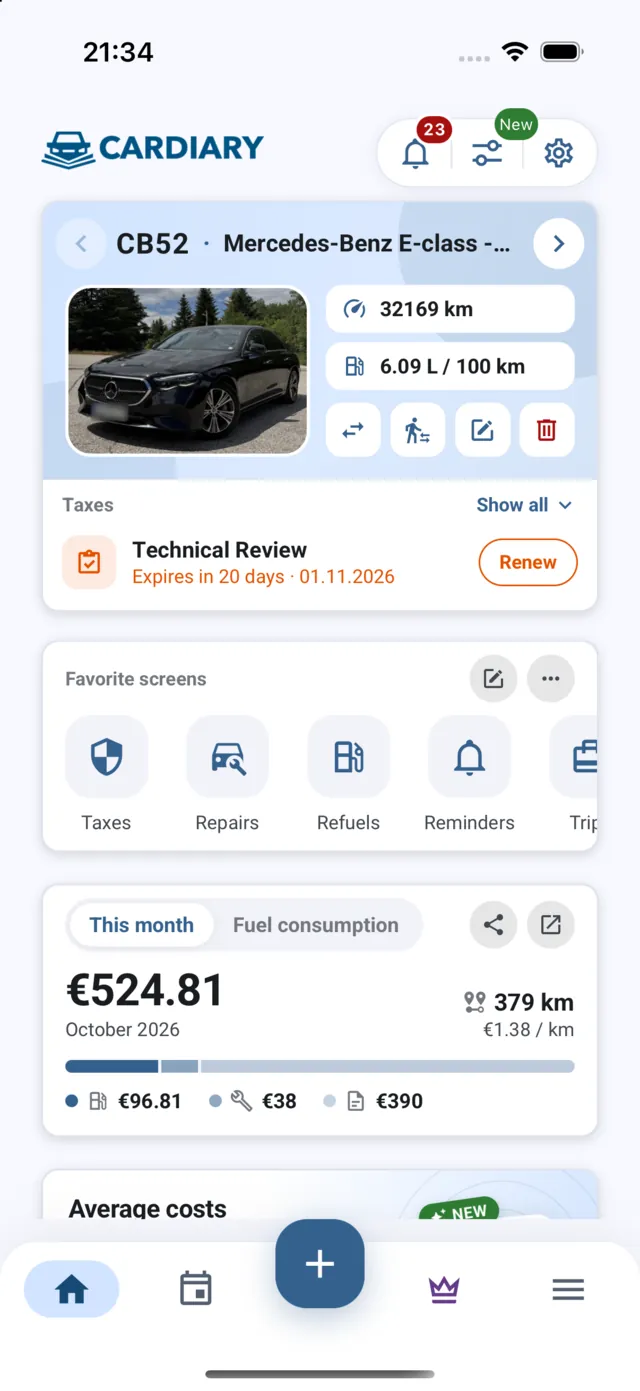
CarDiary works as a digital vehicle cost and deadline log that replaces a spreadsheet, so you can store the repair order, the recall date and the next oil-level check beside your other vehicle deadlines. It does not replace the dealer's official repair documents, and it is not a Nissan or NHTSA record.
Frequently asked questions about the Nissan VC-Turbo recall
Is my Nissan Rogue part of the VC-Turbo engine recall?
Check the VIN on the NHTSA recall lookup. Only certain 2021 through 2024 Rogue vehicles with a VC-Turbo engine are covered.
Does the recall repair cost anything?
No. For covered vehicles, the dealer's inspection and any needed repair or replacement are free to the owner.
How do I know which VC-Turbo engine my car has?
Check the engine size in the owner's manual or on the window sticker. You can also ask the dealer to confirm the engine from your VIN.
What if the dealer says my car is not affected?
Ask the dealer to note the result on the repair order and keep a copy. Check the NHTSA lookup again later, since recall listings can change.