Diesel has become the uncomfortable center of Washington’s energy diplomacy again. On October 1, 2026, Reuters reported that the Trump administration pressed France and Germany to draw down emergency diesel inventories to ease global fuel prices, warning that failure to cooperate could lead to a U.S. diesel export ban. For most Americans the headline sounds distant, yet the same refining system that keeps semitrailers moving also sets the price on the regular-grade hose you use in a Camry, a RAV4, or an F-150.
Why diesel fights always spill into gasoline lanes
Modern refineries do not make diesel, jet fuel, and gasoline in isolation. A barrel of crude is split into several products at once, and when policymakers try to starve one stream they usually shrink another. Wood Mackenzie warned in late September 2026 that banning U.S. diesel exports would fill Gulf Coast storage, force deep cuts in refinery runs, and could push gasoline costs higher even if diesel eased—exactly the tradeoff President Donald Trump acknowledged publicly when he said an export ban would likely have a “negative impact on gasoline.”
That chemistry lesson matters because diesel prices had already broken records. AAA’s national diesel average hovered near $6.41 per gallon in early October 2026, while regular gasoline averaged about $4.43 per gallon—high for the shoulder season after summer driving. OilPrice.com and other trade outlets tied the squeeze to refinery damage and disrupted flows linked to the Iran conflict, tighter Russian export limits, and European buyers scrambling for non-U.S. barrels when Middle East product shipments falter.
What France and Germany hold—and why Washington cares
The U.S. frustration is not abstract. MarketScreener and Reuters noted that EU countries held roughly 39 million metric tons of emergency gasoil and diesel stocks in the latest Eurostat figures, with France and Germany together accounting for about 35% of that strategic cushion. Both nations participated in a coordinated International Energy Agency release earlier in 2026 after supply shocks tied to the war, yet U.S. officials believe Paris and Berlin have not released enough diesel from those reserves to match expectations.
From a truck driver’s perspective the argument is simple: Europe imports a large share of U.S. diesel, especially when its own refineries run flat out. Wood Mackenzie reported that Europe’s share of U.S. diesel and gasoil exports climbed toward 50% in September 2026, up from roughly 30% through 2025. If Washington blocks those exports, European pump prices spike—but U.S. refiners may still dial back total output, which is why domestic gasoline can rise alongside diesel relief.
Who feels this first on American roads
Pickup and heavy-duty owners. Full-size diesels—Ram 2500, Silverado 2500 HD, F-250—were already paying painful fill-ups before the diplomatic flare-up. A export-ban debate does not change maintenance schedules, but it does change whether you postpone a long towing trip.
Commuters in gas-only vehicles. If you drive a hybrid CR-V or a gas-only Tacoma, diesel diplomacy still reaches you when refiners cut runs. Goldman Sachs analysts and multiple White House advisers have made the same point in public: choking diesel exports can tighten gasoline supply because both fuels share the same cracking units.
Regional price gaps. Gulf Coast refineries supply much of the country’s export diesel. Drivers in PADD 3 states sometimes see different rack prices than the Upper Midwest or West Coast, especially when pipeline batches shift toward export grades. Watch your local AAA or EIA weekly gasoline and diesel updates rather than assuming the national average matches your county.
What changed this week versus last month
In September 2026 the conversation centered on an outright U.S. diesel export ban after retail diesel crossed $6.50 per gallon nationwide. By October 1 the emphasis shifted toward diplomacy: pressure on allies to release stored barrels instead of blocking American exports. French and German officials face a domestic political bind—those stocks exist for war or shipping crises, and drawing them down leaves less buffer if Middle East disruptions worsen.
For U.S. drivers the practical signal is volatility, not a single permanent price floor. Futures markets whipsawed on each Oval Office comment, then stabilized when traders judged a ban less likely. That means week-to-week pump changes can outrun your monthly budget if you have not looked at prices since Labor Day.
Smart moves without panic-buying fuel
Keep your tank above a quarter full during policy headlines so you are not hunting an open station after a sudden regional spike, but avoid hoarding jerry cans; local shortages during diplomatic scares are usually brief distribution crunches, not long-term rationing. Combine errands when gasoline averages sit above $4 per gallon in October; the U.S. Department of Energy still publishes simple driving-efficiency guidance that applies regardless of which fuel grade is in the news.
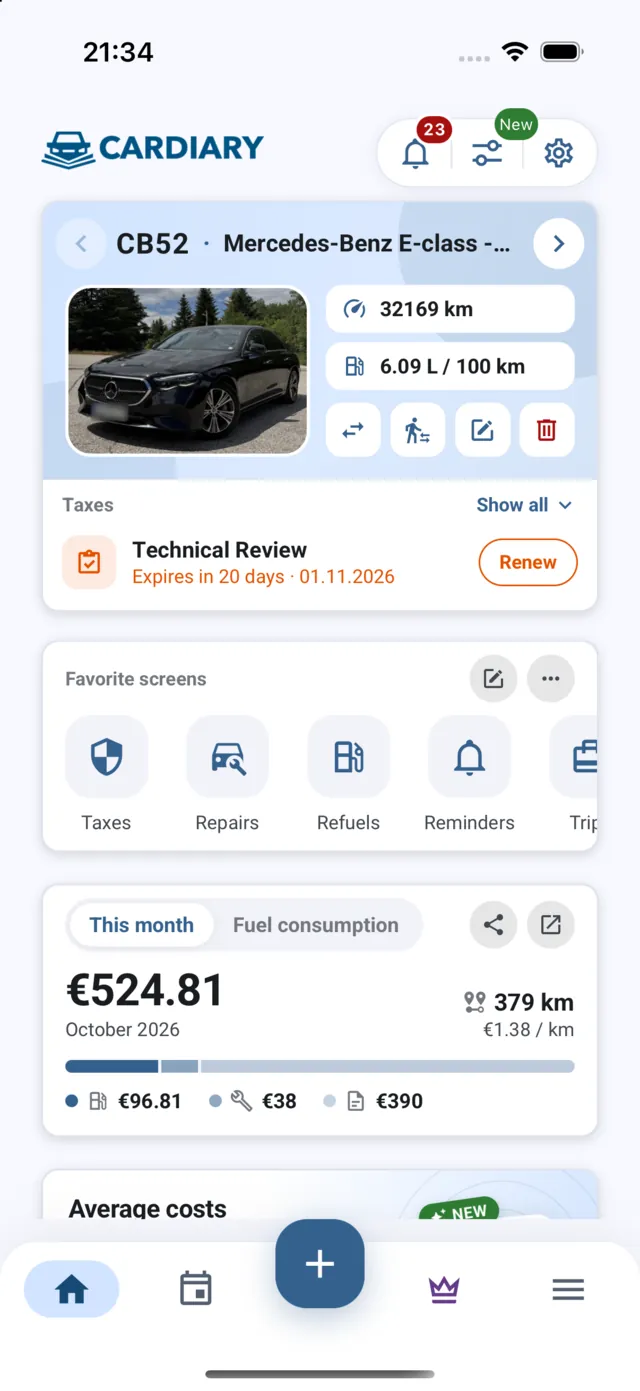
If you use a personal vehicle for reimbursable business miles, document odometer readings when diesel and gasoline move in opposite directions; the IRS standard mileage rate is a separate figure from pump prices, and your employer may use either the federal rate or actual expenses. When you want a quick sanity check on how a local price change affects a known commute, the CarDiary MPG and fuel cost calculator lets you plug in your own MPG and zip-level habits without treating the app as an official government price register.
Finally, separate news from noise: Reuters sourced its October 1 story to officials close to the talks, not to a signed export order. Until Commerce or Energy Department actions hit the Federal Register, your best lever remains driving fewer empty miles, keeping tires inflated, and timing fills when your station’s rack price dips midweek—not betting on a single Brussels meeting to undo refinery damage half a world away.