Ford has ended production of the all-electric F-150 Lightning, and that raises a practical question for anyone who owns one or is shopping for a used truck: will the Lightning still be supported, insured, and safe to keep for the next five to ten years? For most owners the answer is yes, but the outcome depends on four records you can check today: warranty dates, open recalls, battery health, and the home charging setup.
This field guide walks through those checks in the order they matter. It relies on federal sources such as the NHTSA recall database, your warranty booklet, and a written answer from a Ford dealer for your specific VIN. Treat any news summary, including the ones referenced here, as a starting point rather than a final answer.
What did Ford end with the F-150 Lightning?
Ford ended production of the current all-electric F-150 Lightning in late 2025, according to coverage from Cars.com and The Drive. Both outlets reported that the next generation of the truck will return as a range-extended electric pickup with a gas generator that helps extend range. Neither report gave a firm on-sale date, so any launch window you read about should be treated as unconfirmed.
Ending production does not mean the truck has a defect or a safety recall. Your Lightning keeps its VIN, its title, and the federal safety certification it was built with. What changes is the long-term supply of new trucks on dealer lots and, over time, the availability of some parts. Those two points matter for a truck you plan to keep for a decade.
Does the F-150 Lightning warranty still apply?
Usually yes, as long as the truck is still inside its original coverage. Factory warranty clocks start at the in-service date, which is when the first owner took delivery, not when the model stopped being built. Autoevolution reports that Ford's EV battery coverage for the Lightning is eight years or 100,000 miles, whichever comes first. Confirm the exact figures in your own warranty booklet, because coverage terms can differ by model year.
Ask for three things in writing before you rely on the warranty. Get the in-service date on file, the mileage at which the battery coverage ends, and any extended coverage that applies to your VIN. A used buyer should also ask whether the remaining factory coverage transfers, since basic factory warranties generally follow the vehicle rather than the original owner.
How do I check open F-150 Lightning recalls by VIN?
Start with the 17-character VIN, which is on the driver-side dashboard near the windshield and on the registration card. Enter it at nhtsa.gov/recalls, the federal database for open safety recalls. Run the check on any used truck before you pay, then run it again after the dealer confirms a repair.
Write down each campaign number, the date the dealer finished the remedy, and the repair order number. Ask the service desk for a printed copy. Some remedies are software updates that install over the air, while others need a dealer visit because parts must be ordered. The parts status matters as much as the notice, because a recalled truck can still wait for parts before the fix is done.
How do I judge battery health on a used Lightning?
Battery health tells you how a used Lightning will behave in its later years. Ask the seller or dealer for a state-of-health reading from Ford's diagnostic tools, and ask for it in writing. A pack loses capacity gradually with age and heavy use. A sudden drop in estimated range on a mild day is worth a second opinion before you commit.
Test it yourself on a drive. Charge to the level you normally use, note the displayed range, and compare it with what you would expect for that temperature and driving style. Towing, highway speeds, and cold weather all reduce range, so one low number does not prove a fault. Repeat the test on a warm day and a cold one if you can.
What does home charging need?
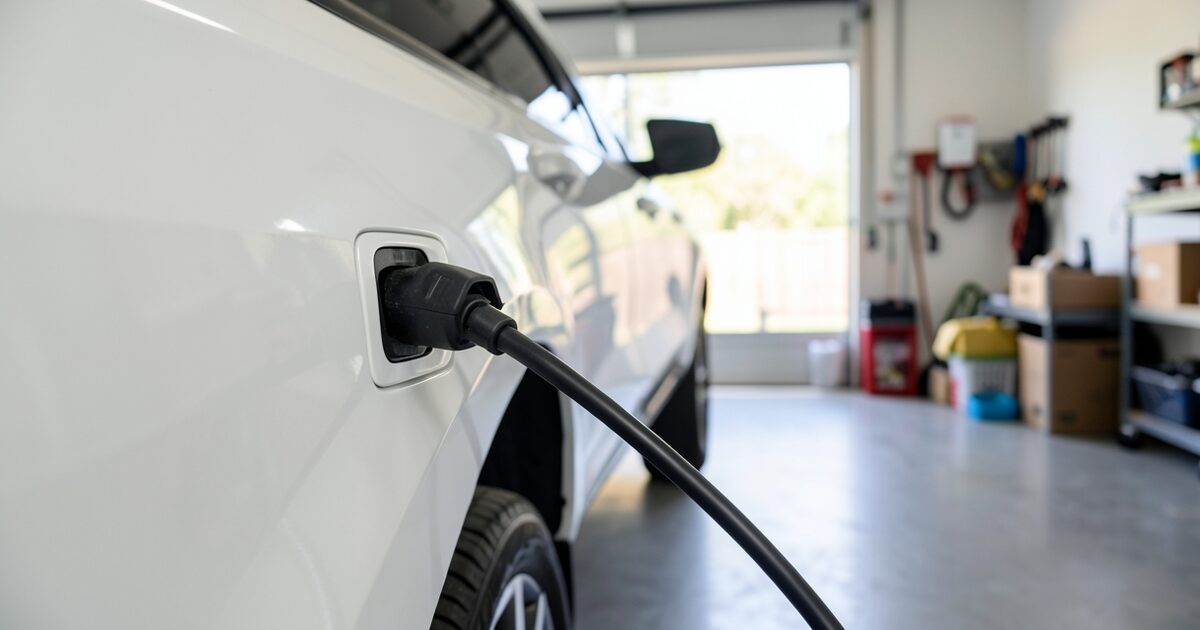
Most owners charge at home on a 240-volt Level 2 circuit. Have a licensed electrician check the panel capacity, the circuit rating, and the cord run before you buy a wall unit, because the circuit has to match the charger's load. Ask whether the outlet needs GFCI protection under your local code, and confirm the installation permit with your city or county building department.
Is a used F-150 Lightning still a good buy?
Here is a hypothetical buyer to show how the checks fit together. Dana, a buyer in Columbus, Ohio, finds a 2023 Lightning with 58,000 miles and no open recalls on the NHTSA lookup. The seller says the factory battery warranty is still active. Dana asks the dealer for the in-service date, requests a battery state-of-health reading, and confirms the warranty end mileage in writing.
In this scenario the reading is consistent with the mileage, and the warranty still has years and miles left. Dana makes an offer with the recall printout and the dealer's battery report attached. The sale closes with the title, the bill of sale, and a copy of the warranty information in the same folder.
Change one fact and the decision changes. If the seller cannot give an in-service date, or the battery reading falls well below the expected range for 58,000 miles, the discontinued status adds risk. A buyer in that position should ask for a lower price that covers an independent inspection, or walk away. The end of production makes these checks more important, not less.
What mistakes do Lightning owners make now?
Most mistakes come from reading the discontinued headline as a verdict on the truck. The list below covers the errors that come up most often in owner situations.
- Assuming discontinued means the warranty has ended. The clock runs from the in-service date and mileage, not from the production stop.
- Relying on a third-party recall site and skipping the NHTSA lookup, which is the federal record.
- Reading a winter range drop as a battery fault without comparing it with a warm-weather test.
- Buying a wall charger before an electrician confirms the circuit and the cord run.
- Selling at the first offer because of headlines, before pulling the warranty record and battery report.
A lost warranty date or a missed recall is expensive to fix later. Keep the records in one place and repeat the checks at each service visit.
How do I keep a warranty and recall deadline log?
Paper folders work until a warranty end date or recall notice gets buried in a glovebox. A simple log with dated entries catches those deadlines before they pass. The steps below work for a Lightning or any other EV you plan to keep for several years.
- Record the VIN, the in-service date, and the warranty mileage limit from the booklet.
- Log each NHTSA campaign number with the date the dealer completed the remedy.
- Add a reminder for the annual battery state-of-health reading at your service visit.
- Save every repair order and attach the printed recall check to the same entry.
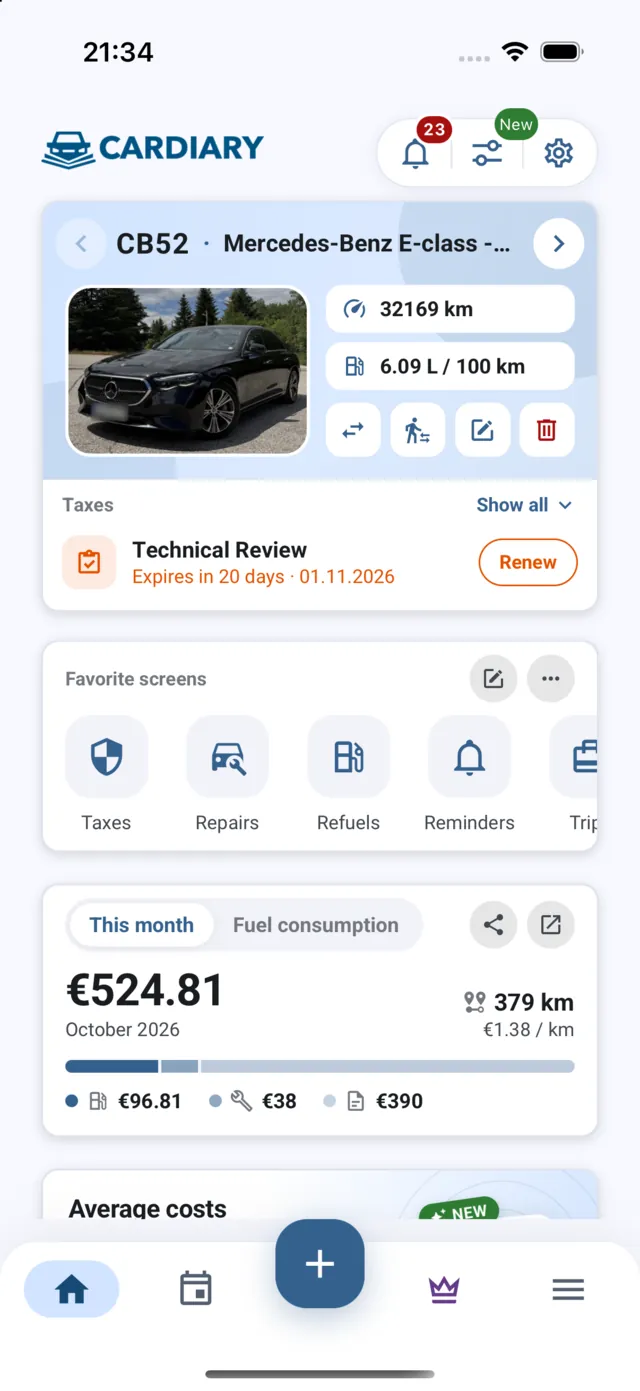
In CarDiary you can enter the VIN, in-service date, and warranty end dates as a digital deadline log that replaces a spreadsheet, though every entry comes from you rather than from Ford or NHTSA.
Frequently asked questions about the F-150 Lightning
Is the F-150 Lightning still under warranty after production ends?
Discontinued status does not end coverage by itself. Warranty runs from the in-service date and mileage, so check the booklet for your truck's exact dates.
Can I still get parts and service for an older Lightning?
Service continues through Ford dealers, but the timing for specific parts can change. Ask a dealer for parts availability on your VIN before scheduling a long repair.
Will the next F-150 replace the Lightning as a pure EV?
Reporting from Cars.com and The Drive describes the next generation as range-extended with a gas generator, not a pure battery truck. The sources I checked did not confirm a launch date.
Where do I check recalls on a used Lightning?
Use the NHTSA recall lookup with the VIN, then confirm the remedy status with a Ford dealer. Keep the printout with the title and bill of sale.