If you own a car, the question that matters right now is simple: does my VIN have an open recall, and what does it cost me to fix it? On November 5, 2026, the National Highway Traffic Safety Administration (NHTSA) held a public meeting at the Department of Transportation in Washington to review why recall repairs stay unfinished and how to raise completion rates. For owners, the practical message is that a recall you ignore is still a repair you owe, and the repair is free.
The short answer: go to nhtsa.gov/recalls, enter your 17-character VIN, and read every open campaign listed. The manufacturer must fix an open recall at no charge, and in practice an authorized dealer for that brand does the work. Some fixes now arrive as a software update. The sections below cover what the meeting addressed, how to run the check in about five minutes, and the mistakes that keep recalls open for years.
What the NHTSA Recalls Next meeting covered
NHTSA called the event Recalls Next. The agency said the goal was to review completion trends and past campaign performance, then look for ways to get more owners to bring a recalled vehicle in for repair. Government, industry, and research participants attended the session at DOT headquarters.
Coverage of the meeting focused on technology. Trade reports described discussion of over-the-air software fixes and connected-vehicle tools, which can close a campaign without a dealer appointment. One report quoted NHTSA Administrator Jonathan Morrison saying that over-the-air fixes generally reach high completion rates because owners skip the dealer visit. Another report framed the real measure as vehicles repaired, not notices mailed.
I did not find a confirmed final rule or published completion statistics from the meeting. Some coverage says a public docket on recall processes stays open for comment until December 5, 2026, and that notice rules could change afterward. Treat that as something to watch, not a change you have to act on this month.
How do I check my VIN for open recalls?
The lookup takes a few minutes and costs nothing. You need only the VIN, not your name or the previous owner's paperwork.
- Find the VIN. It is 17 characters long and appears at the lower corner of the windshield on the driver's side, on the sticker inside the driver's door jamb, and on your registration or insurance card.
- Open nhtsa.gov/recalls and enter the VIN. Read every campaign marked open, not only the one in the letter you remember.
- Write down each campaign number. NHTSA numbers look like 26V728, where 26 is the year and V stands for vehicle.
- Call the brand's dealer service department with the campaign number. Ask whether the remedy parts are in stock and whether a software update is available.
- Book the appointment and ask for a printed repair order that lists the campaign number. Keep that paper with your registration.
If the dealer's answer does not match NHTSA's database, trust the NHTSA result and ask the dealer to check again. Fleet managers can use NHTSA's bulk lookup, which trade coverage says accepts up to 100 VINs at a time, to clear a list of vehicles in one pass.
Which recall fixes arrive as a software update?
Many recent campaigns fix software: camera settings, module programming, warning logic, or the calibration of a driver-assist feature. A software fix can be pushed over the air, so the car updates in your driveway, or the dealer can flash it during a short visit. The notice letter usually says which path applies.
Physical fixes take longer. A part can be back-ordered for weeks, and that wait is the most common reason owners stop calling. If the notice carries a stop-drive or do-not-drive warning, do not wait for a convenient date. Arrange a tow or a rental, and get the car fixed first.
Ask the dealer two questions when you book: is the part in stock, and will the work take one visit? If the answer to the first is no, ask for the expected date in writing and call back in about four weeks.
What if I bought a used car with an open recall?
Federal rules put the repair duty on the manufacturer, not on whoever happens to own the car. A used car with an open recall is still covered, and the remedy is still free, even if the previous owner received the letter and never acted on it.
Consider a hypothetical 2018 Ford Escape bought used in Phoenix in March. The buyer runs a VIN lookup on the day of purchase and finds an open campaign. The buyer calls a Ford dealer with the campaign number, learns the part is in stock, and books one visit. The invoice shows a $0 charge with the campaign number printed on it.
The seller's obligations are different. Federal law bars dealers from delivering new vehicles that still carry an unremedied recall, but the rules for used sales depend on the dealer and the state. Before you pay, run the VIN lookup yourself, ask for the open-recall list in writing, and do not rely on a verbal all-clear. If a used car shows a stop-drive warning at purchase, do not drive it home. Ask the seller to fix it first or arrange transport.
Which mistakes keep recalls open for years?
- Throwing out the letter because the car runs fine. A recall addresses a defect or a safety noncompliance, and the problem may stay invisible until it fails.
- Checking once, at purchase. New campaigns are added after you buy the car, so a clean lookup in January says little about June.
- Letting the registration address go stale. Manufacturers mail notices using registration records, so update your address with the state DMV after a move.
- Accepting a verbal all-clear. A service desk that says there are no recalls may be looking at a different list, so the NHTSA database is the reference point.
- Waiting on a parts date without calling back. Set a calendar reminder and check again.
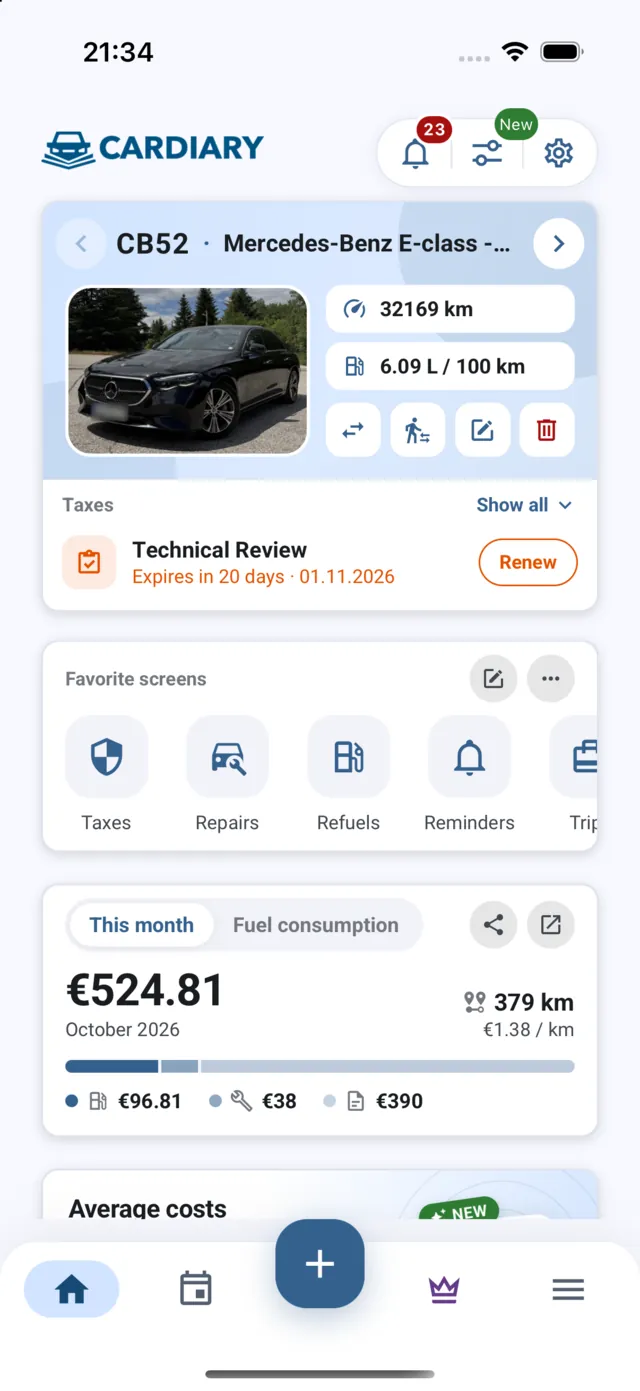
A simple habit fixes most of these. Log the VIN, each open campaign number, and the date you booked the repair in CarDiary's deadline log, a digital record you control; it is not an official NHTSA register, but it keeps the open item visible when the paper letter goes missing.
Recall questions drivers ask most
Is a recall repair really free?
Yes. Federal law requires the manufacturer to remedy a recall defect or noncompliance at no charge, and an authorized dealer should not bill you for the recall work itself. Other charges, such as a tow you chose to arrange, are separate.
How often should I check my VIN?
Check at least twice a year and before any long trip. Recalls are added continually, and a campaign on a car you drive every day can appear long after its last service.
Can I check a recall without the owner's name or registration?
Yes. The NHTSA lookup uses only the VIN, so a buyer, a seller, or a fleet manager can run it without personal details.
What if the dealer has no parts for a recall I need fixed?
Ask for the expected date in writing and keep the request on record. If the notice carries a stop-drive warning, do not drive the car until the remedy is done, and arrange transport instead.