A frozen parking brake or a frozen door lock is one of the most common small winter problems on US roads, and it is also one of the easiest to make worse. A driver in a cold Midwest or Mountain West town often finds out at 7 a.m., with a commute to make and a key that will not turn. The main question is simple: how do you free the brake or the lock without tearing a cable, cracking glass, or damaging a door seal?
The short answer is to stop forcing it. Warm the car gently, release a stuck parking brake slowly, and use a lock-specific lubricant or de-icer on the keyhole. The sections below put those steps in order, name the parts that break under force, and list the mistakes that turn a ten-minute fix into a shop visit.
Why does a parking brake freeze to the wheels?
A parking brake holds the car by pressing friction material against metal at the rear wheels. On a car with a hand lever or foot pedal, that is usually a set of brake shoes pressed into a drum, or pads squeezed onto a rotor. When snow, slush, or freezing rain soaks into that space and the temperature drops overnight, the moisture turns to ice and bonds the friction surface to the metal.
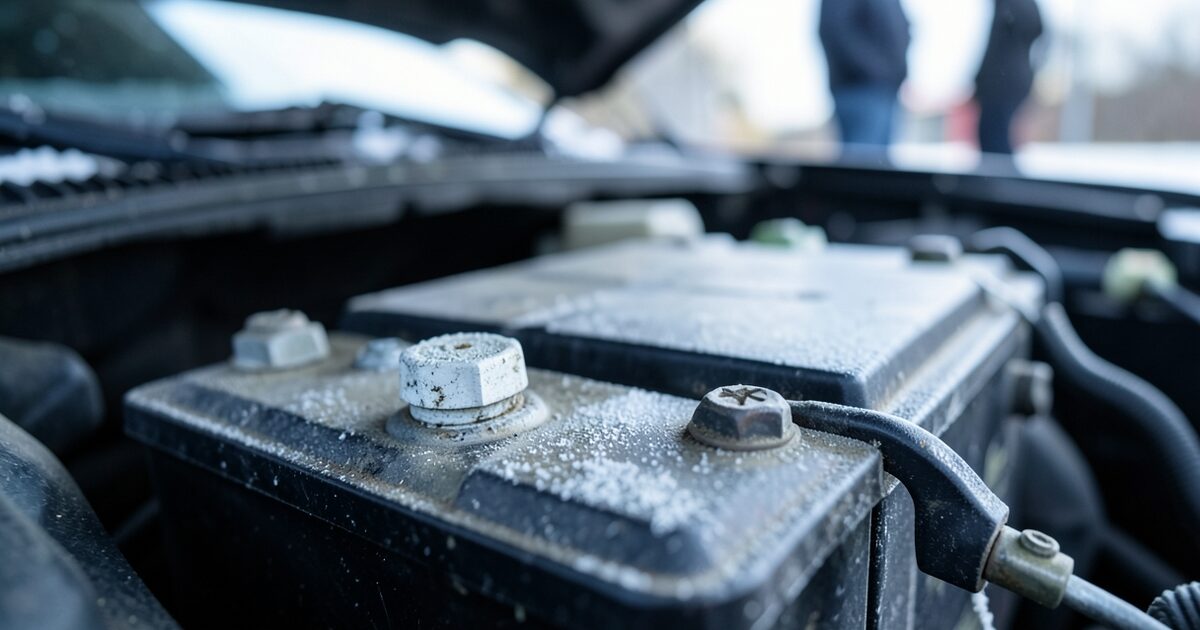
The dashboard may show the brake as released while the rear wheels will not turn. The risk rises when the car is parked wet, when the brake was set on a slope, or when the car sat through a thaw and then a hard freeze. Cars with an electronic parking brake can also hold on if the system sees low voltage or a fault, so the car may refuse to release until the battery is charged or the system resets.
A stuck brake usually shows up as a dragging feeling, a brake warning light that stays on after you release the control, or a faint burning smell after a short drive. Any of those signs means the friction parts are still in contact, so stop and check before you go further.
Should I set the parking brake in winter at all?
For short stops and overnight parking on flat ground in snow or freezing rain, many owners leave the parking brake off. An automatic goes into Park, and a manual goes into first gear or reverse, depending on which way the car would roll if the drivetrain let go. Wheel chocks, if you carry them, add a backup that does not depend on friction. This keeps the wet brake surfaces away from ice.
A steep grade changes the picture. When you park downhill, turn the front wheels toward the curb, so the car stops against the curb if it rolls. Then set the brake lightly as a backup. Many newer cars with an electronic parking brake apply it automatically when you shut off the engine, and some models let you turn that behavior off in the settings menu. Check that menu before the first storm of the season, because it is harder to change in a hurry.
How do I free a frozen parking brake without damage?
Consider a commuter in Columbus, Ohio, who parks a compact crossover overnight after freezing rain. In the morning the rear brake will not release and the warning light stays on. The wrong move is to pull the lever harder or to drive off in a rush. The right move is to run the engine, warm the cabin, and then release the brake with the foot on the service brake.
- Start the engine and run the defroster and heater for five to ten minutes. Engine heat warms the rear brakes slowly, which is safer than applying a torch or hot water to a hub.
- Keep your foot firmly on the service brake, then release the parking brake control. If the car does not move and the light stays on, wait a few more minutes before trying again.
- Ease the car forward a few feet with gentle throttle, then reverse a few feet. Do not rev the engine. The motion breaks the ice bond between the pads or shoes and the metal.
- If the car still will not move, leave the brake engaged and warm the car longer. Do not drive on a dragging brake, because friction heat can damage pads, rotors, and drums.
- If the car has an electronic parking brake that will not release, use the release method in the owner's manual or call a dealer or roadside service. Pressing the switch repeatedly does not free ice, so stop after a few attempts and ask for help.
How do I unfreeze a car door lock safely?
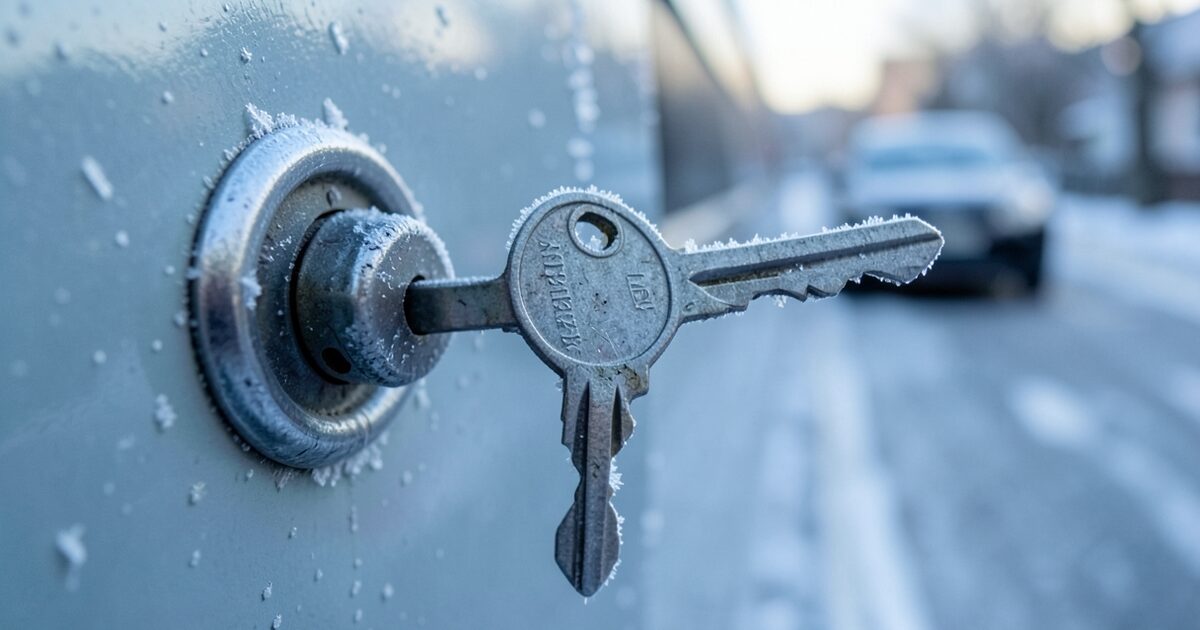
A frozen lock is usually ice in the keyhole, in the lock cylinder, or around the outside handle, not a failed lock. Start with the key, because a key that goes in and turns is the cleanest way to move the cylinder. Do not force it. Moving the key gently in and out while you turn it can break ice without bending the key.
- Try the key in the driver door first. If it turns, leave it in and move it gently to loosen the ice.
- If the key will not go in, spray a commercial lock de-icer into the keyhole. Apply it in short bursts, wait about a minute, then try again.
- Once the lock works, lubricate the cylinder with a dry graphite lock lubricant. Oil-based sprays can attract dust and gum up, so graphite is the safer choice for a keyhole.
- If the door unlocks but the outside handle will not pull, the ice is probably in the gap between the door and the body. Work on that gap with the seal steps below rather than pulling harder on the handle.
Do not heat a metal key with a lighter. The heat can warp the key, melt the plastic head of a remote key, or damage the electronics inside. If your remote fob is dead, the physical key in the driver door still works on most cars, and the owner's manual shows where the hidden key sits inside the fob.
What about a frozen door seal or a stuck trunk?
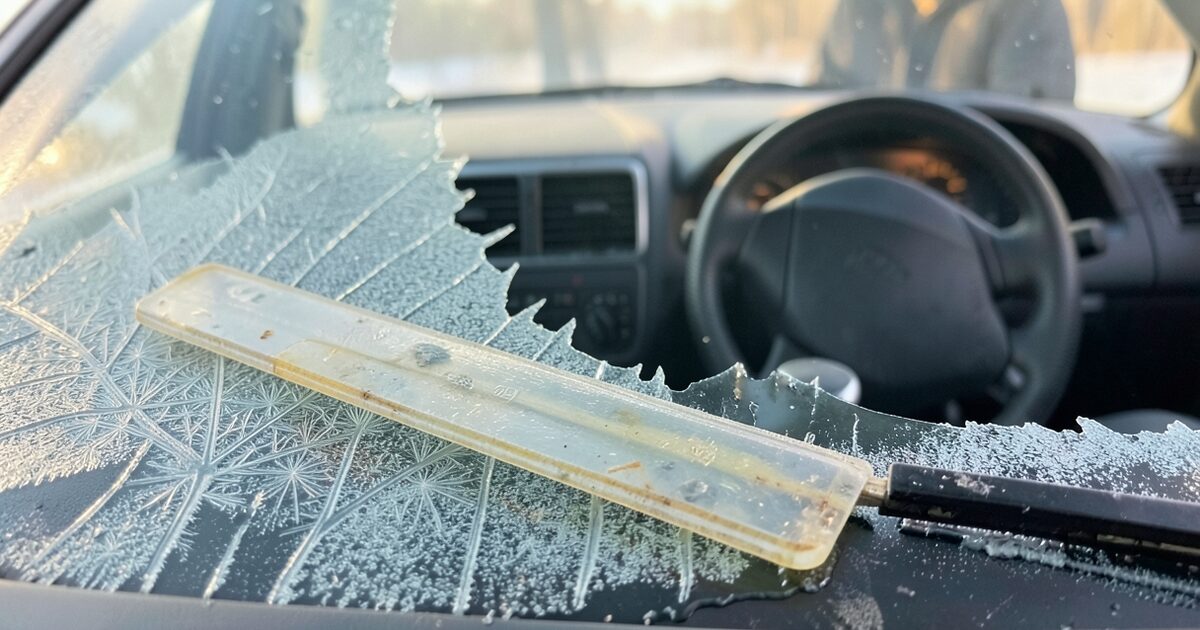
Door seals freeze to the frame when moisture gets into the rubber lip and turns to ice. A seal frozen in place will tear if you pull the door open hard. Work from the top edge of the door, press gently on the frame with your hand, and let the cabin warm. Use a plastic scraper only on the glass and the paint edges, never on the rubber.
After the seal lets go, apply a silicone-based rubber protectant or a spray labeled for door seals, using a cloth. Avoid petroleum-based products on rubber, since they can soften the seal over time. The same method works on the trunk or hatch seal. If the trunk lock is frozen, the lock cylinder steps above apply, and some models have a release handle inside the trunk that works even when the outside lock does not.
What are the mistakes that turn a quick fix into a repair?
Most damage happens in the first minute of frustration. These are the errors that show up in shop visits after a cold snap:
- Pulling the parking brake lever harder when it will not release, which can bend or stretch the cable or linkage.
- Driving away with the brake still engaged, which heats the rear friction parts quickly.
- Pouring hot water on a lock, a door, or the glass. Water can refreeze inside the lock, and sudden heat can crack cold glass.
- Spraying a general penetrant into a lock. It is a solvent, not a long-lasting lubricant, and it leaves residue that attracts grit.
- Leaving a car parked on a grade with a frozen brake, no chocks, and no plan for the morning.
If a stuck brake or lock ends up needing a mechanic, record the date, the mileage, the shop, and the parts in CarDiary's service log, so the repair history is in one place rather than scattered across receipts and text messages.
How can I prevent a frozen lock or brake before the next storm?
Prevention takes about fifteen minutes in early fall and costs little. Work through the list before the first freezing rain, and repeat the lock and seal steps once a year.
- Lubricate each door lock cylinder, the trunk lock, and the fuel door lock with dry graphite, using short bursts into the keyhole.
- Treat the rubber door and trunk seals with a silicone protectant, and wipe off any excess so the seal does not collect dust and grit.
- Keep the parking brake off for short stops in wet snow, and use Park or a gear with chocks where you have them.
- Carry a plastic scraper, a small can of lock de-icer, and a spare fob battery of the type listed in the owner's manual.
- Read the owner's manual section on parking brake release and the emergency key, and save a photo of that page on your phone.
Frequently asked questions
Can I drive with a frozen parking brake?
Not safely. A brake that stays applied heats the rear friction parts, which can overheat them and reduce stopping performance. Free it first with the warm-up and gentle motion steps above, or call for roadside help if it will not release.
Is it safe to pour hot water on a frozen door lock?
No. Hot water can refreeze inside the lock once it cools, and a sudden temperature change can crack glass or damage trim. Use a commercial lock de-icer, or let the cabin warm the door from inside.
Should I use WD-40 on a frozen car lock?
Not as a long-term lock lubricant. WD-40 is a penetrant and solvent that can help loosen ice for a moment, but it leaves little lubricant behind. Graphite lock lubricant is the standard choice for keyholes, and it is worth applying in the fall.
What if my electronic parking brake will not release?
Check the owner's manual for the manufacturer's release method, and make sure the battery is charged, since low voltage can block some systems. If the brake still will not release after a warm-up, call a dealer or roadside service instead of pressing the switch again and again.