Pacific tropical moisture meeting a cold front is lining up a multi-day rain event across Texas, and state officials are warning that the footprint is wider than the July floods that swept cars off low-water crossings in Central Texas. Governor Greg Abbott told reporters on September 28, 2026, that impacts could stretch from El Paso and the Panhandle through the entire Interstate 35 corridor, from the Red River south past San Antonio, with rivers rising faster than forecasts can pin down block by block. If your commute, a clinic run, or a festival trip depends on I-35, U.S. 281, or farm-to-market roads that dip toward creeks, the decision is not whether rain arrives—it is whether your vehicle belongs on pavement that may become a moving sheet of water.
Read the map before the sky opens
The National Weather Service expects repeated rounds of intense storms, with North-Central Texas flagged for significant flash flooding around the evening of September 30 and the Austin–San Antonio corridor facing rainfall rates that can exceed two inches per hour at times. Totals of two to five inches are common in North Texas forecasts this week, with six to eight inches possible in pockets. That volume does not need a named hurricane to stall traffic: it only needs a saturated shoulder and a drain that cannot keep up.
Start with official road data, not social clips. The Texas Department of Transportation publishes live conditions at DriveTexas.org, and the state points drivers to flood status at TexasFlood.org plus preparedness steps at TexasReady.gov. Check those feeds again after lunch if you plan a night drive; barricades often appear between forecast updates.
Vehicle checks that change outcomes
Walk the car once while it is dry. Confirm tread depth on all four corners—balding rear tires on a front-wheel-drive sedan are a common hydroplane surprise on I-35 frontage roads. Test windshield wipers and washer fluid; mud spray from trucks will coat the glass in minutes. Charge phones and stow a bright rain jacket in the cabin, not the trunk, in case you must set flares or talk to a trooper in the lane.
Pack light but deliberately: a full tank of gas (gasoline in US gallons) gives you room to reroute around a closed underpass without hunting an open station in the dark, and a paper map backup helps when cellular networks saturate along the corridor. If you tow a trailer or haul construction tools, remember that weight plus wet pavement lengthens stopping distance even when your anti-lock brakes activate.
On I-35: speed, depth, and the barricade line
TxDOT deputy executive director Brandye Hendrickson repeated the agency’s core rule during the September 28 briefing: just six inches of fast-moving water can cause drivers to lose control, and barricades mark where engineers already know the pavement lies lower than the water. Treat orange drums and “Road Closed” signs as final—not suggestions to test with an SUV ride height.
Reduce speed before you enter standing water, not after the front bumper pushes a bow wave. Stay in the center lane when safe, because crown camber often sheds water toward shoulders that hide culvert drops. Increase following distance beyond the dry-weather three-second rule; spray from eighteen-wheelers can cut visibility to zero without warning. If traffic ahead flashes hazard lights, match their pace instead of passing into unseen depth.
Never drive around a barricade to save five minutes. Floodwater can undermine asphalt, hide culverts, or carry debris that punctures oil pans. If water reaches door sills, turn around while pavement behind you is still visible in the mirrors.
If you stall, hydroplane, or lose traction
Hydroplaning feels like sudden light steering—ease off the accelerator, keep the wheel pointed straight, and avoid hard braking until the tires regain contact. If the engine dies in deep water, do not restart it; restarting can pull water through the intake and destroy the motor. Shift to park, unlock doors, and move to higher ground on foot if water is still rising. Call 911 if you cannot exit safely; Texas has pre-positioned state personnel and vehicles for water rescues this week, but responders need a landmark (mile marker, cross street, or frontage road business) rather than “somewhere on I-35.”
After a stall, assume the worst for brakes: water on rotors cuts friction until you dry them with gentle pressure at low speed in a safe lot. Listen for grinding or pulling—both mean the car needs a shop before highway speeds return.
After the rain: document before you normalize the trip
When water recedes, photograph mud lines on tires and any debris impacts while still at the scene if it is safe to do so. Insurers ask for timelines, and police crash reports on slick interstates pile up fast. Note whether you drove through salt-heavy storm runoff; underbody rinses and brake inspections belong on the calendar within days, not weeks.
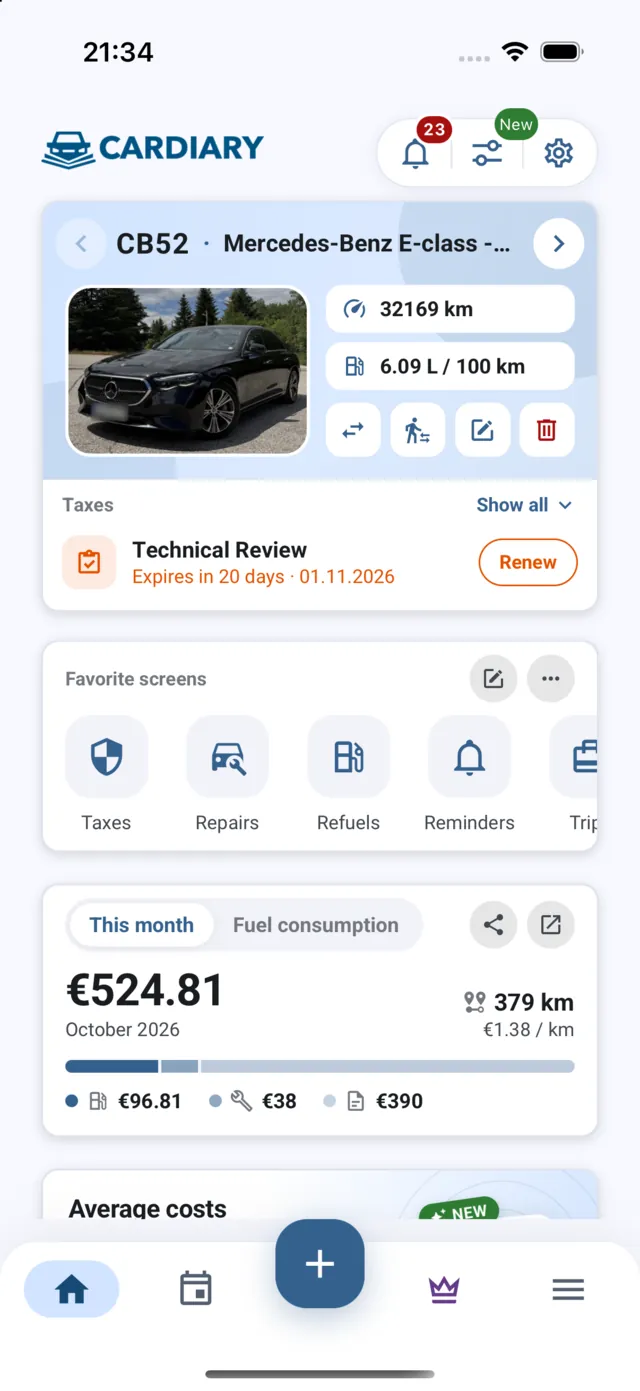
If a shop replaces fluids, pads, or wheel bearings because of flood exposure, logging those visits in CarDiary gives you a dated service history that is easier to share with an adjuster than a folder of receipts scattered in the glove box.
Heavy rain will break before rivers finish rising. Abbott cautioned that Texans should expect waterways to swell even after skies clear, which means a dry morning commute can still meet a closed low-water crossing on the way home. Keep DriveTexas.org bookmarked through the week, plan alternate frontage-road routes north and south of your exit, and treat any shiny reflection on pavement as a question mark—not a shortcut.