Plug-in hybrid SUVs are built to swap quietly between battery torque and gasoline power on a Monday commute or a weekend trail. When propulsion drops out without a warning light you trust, the problem is no longer abstract—it is lane position, shoulder space, and whether you can restart in traffic. That is the scenario behind a September 2025 U.S. safety campaign on the Jeep Grand Cherokee 4xe, and it is worth separating from unrelated Jeep recalls that hit different model years and hardware.
What NHTSA and Stellantis reported
Chrysler (FCA US, LLC) filed recall 25V576 with the National Highway Traffic Safety Administration (NHTSA), manufacturer campaign 73C, covering an estimated 91,787 vehicles. The affected lineup is the 2022–2026 Jeep Grand Cherokee plug-in hybrid sold in the United States. Production tied to the suspect hybrid-control software ran from July 23, 2021 through August 29, 2025, according to the Part 573 safety recall report posted on NHTSA’s defect-investigation site.
The failure chain described in that filing is entirely electronic. Under load, the Battery Pack Control Module (BPCM) microprocessor can reset. During some of those resets, the Hybrid Control Processor (HCP) misreads a signal from the BPCM. The documented consequence is a loss of propulsion—drive power that can disappear even though the vehicle may still look “on.” Stellantis told regulators it was not aware of related crashes or injuries as of August 18, 2025, while also listing substantial field data: dozens of customer-assistance records, more than a hundred field reports, and hundreds of service records potentially linked to the issue.
Official remedy language is a dealer software update to the hybrid control processor, performed at no charge. Owner notification letters were scheduled to begin reaching mailboxes in late October 2025, and VIN-specific recall status was planned to appear on the federal lookup at NHTSA.gov/recalls. Primary documentation: NHTSA recall report 25V576 (PDF).
Which drivers are in scope—and which are not
This campaign targets Grand Cherokee 4xe PHEV models only. Conventional gasoline Grand Cherokees and other Jeep nameplates are outside this particular population unless NHTSA lists them under a different campaign number. If you share a driveway with multiple Jeeps, check each VIN separately; recall coverage follows the electrified powertrain software, not the badge on the tailgate.
Do not confuse 25V576 with other recent Jeep Grand Cherokee actions. Separate NHTSA campaigns have addressed different components—suspension hardware on some model years, for example—under different recall numbers and repair procedures. Mixing them up can send you to a dealer appointment prepared for the wrong fix.
On-road signs that match the defect description
Regulators warn that propulsion can vanish without the kind of advance notice drivers expect from a fuel gauge or a large “stop safely” message. In real traffic that can mean the accelerator stops delivering thrust while you are merging, climbing a grade, or crossing an intersection. Because the root cause is a control-module handshake error, the event may not look like a typical 12-volt battery failure or an empty fuel tank.
Treat any unexplained shutdown in a 2022–2026 4xe as a safety event first. Signal, steer to the safest available space, and only then diagnose. If power returns after a key cycle, that intermittent behavior still belongs in the recall story until a dealer confirms updated HCP software is installed.
What to do before and after the dealer update
- Confirm coverage: Enter your 17-character VIN at NHTSA.gov/recalls or call Stellantis customer assistance at 800-853-1403 with campaign 73C in hand.
- Schedule the software repair: Ask the service advisor explicitly for the hybrid control processor update tied to recall 25V576; software campaigns are quick on the shop clock but only if the right program is flashed.
- Adjust driving until the flash is done: Leave extra following distance, avoid hanging in a left lane beside truck blind spots, and plan pull-off points on routes you drive daily—especially two-lane highways with limited shoulders.
- Document the visit: Keep the repair order that shows the campaign number; it is your proof the HCP update was applied if propulsion issues continue and you need warranty follow-up.
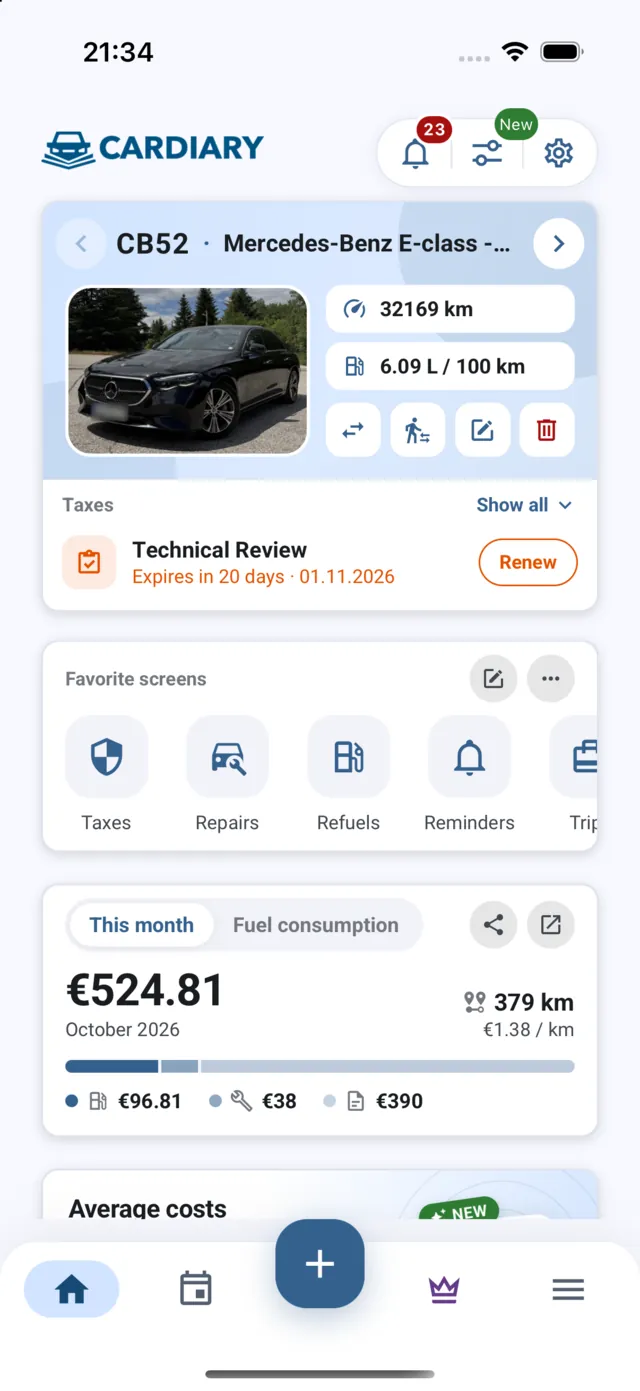
Pasting your VIN into CarDiary’s VIN check alongside your service notes makes an open 73C campaign easy to spot the next time a sudden shutdown feels like a bad battery day instead of a known software fault.
Why a software recall still matters for hybrid owners
Hybrid and plug-in vehicles depend on synchronized computers to keep high-voltage and gasoline paths coordinated. A bug that drops drive power sits in the same category as brake or steering defects from a driver’s point of view: the vehicle stops behaving predictably in motion. The good news in 25V576 is that the prescribed fix is a reprogram, not a battery pack replacement—once installed, the repair should not change your EPA-rated electric range or fuel behavior.
Until your VIN shows the remedy completed, treat the Grand Cherokee 4xe like any other open-recall vehicle: legal to drive in most states, but carrying a defect you already know about. Closing the loop with the dealer software update is the point of the campaign—and the step that turns a federal notice into something you can ignore on the next rainy merge.