When Inter Miami CF puts a big MLS date on the calendar, South Florida traffic does not wait for kickoff. Chase Stadium sits just west of Interstate 95 in Fort Lauderdale, tucked into the warehouse district north of Fort Lauderdale-Hollywood International Airport. That location is great for freight maps and terrible for anyone who tries to arrive fifteen minutes before the opening whistle. The stadium holds more than 21,000 fans, and on sold-out nights the backup reaches the express lanes long before you see the pink seats.
Decide when you need to be in the seat, not when the match starts
MLS lists a scheduled kickoff time, but your personal deadline is earlier. Account for security screening, finding your section, and the crush at concessions if you care about being seated for the first touch. For weekday evening matches, rush hour on I-95 through Broward County often overlaps the pregame window between 6:00 p.m. and 7:30 p.m. For Saturday or Sunday afternoon fixtures, airport rental-car returns and cruise-ship traffic around Port Everglades can stack onto the same corridors. Build a buffer you would use for a flight, not for a movie.
Choose a highway approach before you leave the driveway
Most out-of-county drivers default to I-95. From Miami-Dade, that means watching for the Golden Glades interchange choke point and the ongoing construction zones that FDOT lists on its FL 511 travel page. From Palm Beach County, traffic often eases after Boca Raton but tightens again near Commercial Boulevard and Cypress Creek Road. Florida's Turnpike is the quieter option for many western suburbs: exit toward Commercial Boulevard or Sunrise Boulevard and cut east toward the stadium rather than riding I-95 the entire way. If you are coming up from Miami on US-1, treat it as a scenic backup; buses, delivery trucks, and signalized intersections make it unpredictable when tens of thousands of people move at once.
Use the stadium address, not a vague “near the airport” search
Navigation apps behave better when you pin the official venue: Chase Stadium at 1350 NW 55th Street, Fort Lauderdale, FL 33309. The complex sits in the Fort Lauderdale Executive Airport industrial area. Searching only “Fort Lauderdale airport” can send you through rental-car return loops or cargo gates that do not connect to spectator parking. Once you are within a mile, follow stadium signage and police direction; officers routinely close local cross streets to keep pedestrian flows separated from turning SUVs.
Parking: prepaid, rideshare, and the walk you did not plan for
Chase Stadium operates structured lots and partner garages; Inter Miami publishes match-specific parking maps and purchase links through intermiamicf.com as each home date approaches. On marquee nights, prepaid inventory often sells out days ahead, and day-of cash lots may be farther from the gate than the map suggested. Read the lot name and gate letter on your pass before you enter traffic; many fans circle the block because their PDF says “Lot 4” while their app still shows a generic pin. Rideshare companies use designated drop zones that shift with construction; drop off where signage tells you, not where the curb looks convenient, or you risk a ticket in a bus-only lane. If you must park on a side street, respect residential driveways and tow-away zones posted by the City of Fort Lauderdale; neighborhood enforcement gets stricter when every lawn looks like a tailgate.
Inside the car: heat, rain, and the postgame exit
September and early October matches in South Florida still carry afternoon heat indexes that punish closed cars. Cool the cabin before passengers load, keep water in the cup holders, and expect a pop-up thunderstorm to pause play or delay egress. After the final whistle, stay in your seat for ten minutes if you can; the first wave hits I-95 on-ramps and the Turnpike plaza simultaneously. If your group splits duties, one driver can fetch the car while others wait in a shaded plaza rather than everyone marching through a dark parking field. Headlights matter on the way home even if kickoff was in daylight, because Florida rain reduces visibility fast on slick pavement.
Paperwork and out-of-state plates
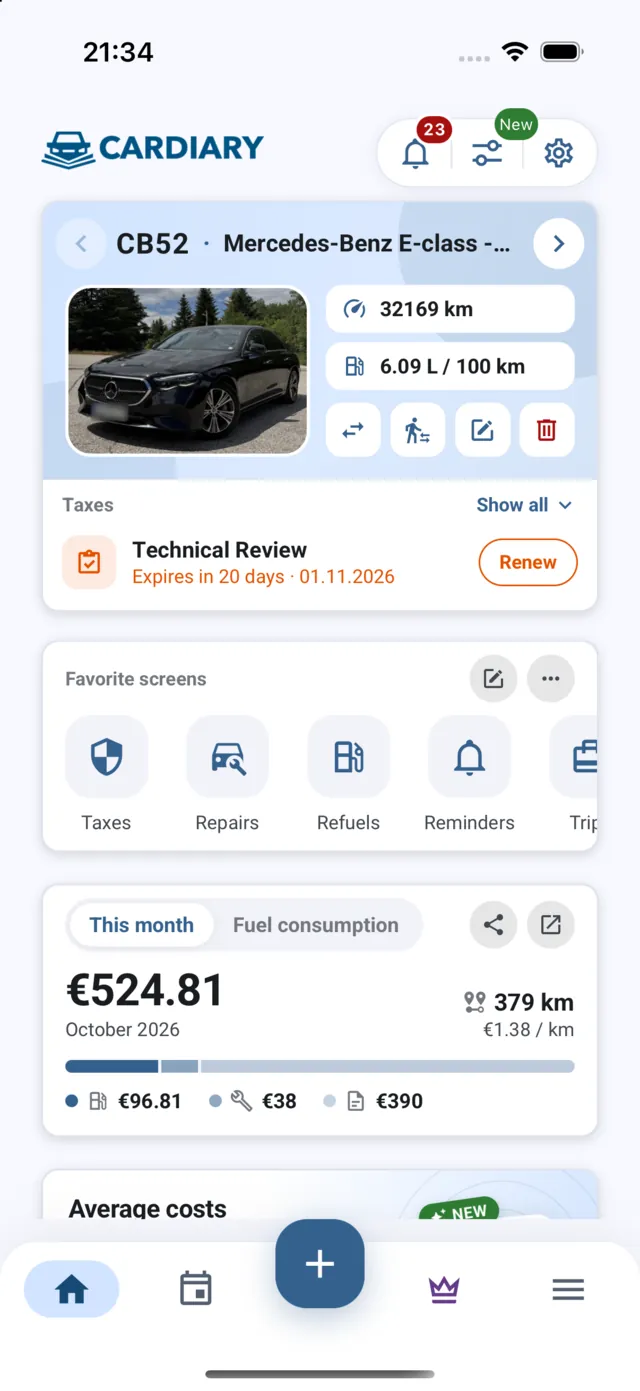
Florida does not require annual safety inspections for passenger cars the way many northern states do, but registration and insurance still have to be valid if you are driving in. Visitors with expired home-state tags can face citations during heavy police deployments around the stadium. If your registration or insurance renewal falls in the same week as an away-game road trip, setting a reminder in CarDiary’s registration renewal tracker beats discovering an expired decal in a stadium queue. Florida’s driver license and vehicle services portal at FLHSMV remains the official source for tag status; CarDiary is a private log, not a DMV record.
When a train beats the steering wheel
Brightline’s Fort Lauderdale station sits farther east than the stadium, but some fans park near a home station and ride the train to avoid postgame I-95 gridlock, then complete the last mile by rideshare or a shared shuttle on busy dates. That hybrid plan only works if you confirm late-night return service before you commit; do not assume the last train aligns with extra time after penalties and celebrations.
Inter Miami’s schedule will keep drawing national attention whenever the club is in a playoff push or a cross-country cup final. The driving task stays the same: pick your corridor early, buy parking before it sells out, and treat the hour after the match as part of the trip—not an surprise encore in stop-and-go traffic along Broward’s rail-side warehouses.