Late-summer heat advisories across southern Illinois, southwest Indiana, western Kentucky, southeast Missouri, and Middle Tennessee are less about a single scorching afternoon and more about a stretch of days when pavement, engines, and cabins stay hot long after sunrise. If you are crossing I-24, I-65, I-40, or state routes between football tailgates, fair parking, and warehouse shifts, the vehicle decisions you make at your driveway matter as much as the forecast on your phone.
What the advisory changes behind the wheel
A National Weather Service Heat Advisory means the combination of temperature and humidity can push heat index values toward 100–108°F in the regions under alert, often peaking mid-afternoon. That is advisory-level heat, not the higher-tier Extreme Heat Warning, but it still raises the odds of heat illness for anyone working outside—and it raises mechanical stress on anything sitting in stop-and-go traffic with the air conditioning on full.
For drivers, the practical shift is timing and load. Strenuous outdoor work should move to early morning or evening; the same logic applies to long towing runs, roof-rack hauls, or mountain passes with the A/C maxed while crawling uphill. Heat that lingers several days in a row also means your cooling system never fully cools overnight, so small leaks or weak hoses show up faster than they would during a one-day spike.
Under-hood checks while the engine is cold
The National Highway Traffic Safety Administration treats summer heat as a peak season for preventable breakdowns. Work through these steps in order before a long interstate day:
- Coolant level and condition. With the engine completely cool, confirm the reservoir is between the min and max marks on the tank or consult your owner’s manual for the correct cold level on your model. Coolant that looks rusty, cloudy, or oily needs professional attention—do not “top off and hope” through a multi-day advisory.
- Hoses and belts. Look for bulges, cracks, or shiny fraying on serpentine belts and radiator hoses. A failed belt on a 100°F afternoon can kill charging, water pump flow, and power steering within minutes.
- Tire pressure. Compare all four corners to the placard on the driver’s door jamb, not the number molded into the sidewall. Hot pavement plus under-inflated tires increase blowout risk and uneven wear.
- Air conditioning performance. Run the A/C on a mild morning. If vent temperature is weak or the compressor cycles oddly, fix it before you carry children, older adults, or anyone with a heat-sensitive condition—NHTSA notes that loss of cabin cooling on a hot day is a health issue, not just a comfort issue.
- Fluids and wipers. Confirm engine oil, brake fluid, and windshield washer fluid are in range. Summer storms still hit the Ohio Valley; smeared glass plus glare is a visibility problem independent of temperature.
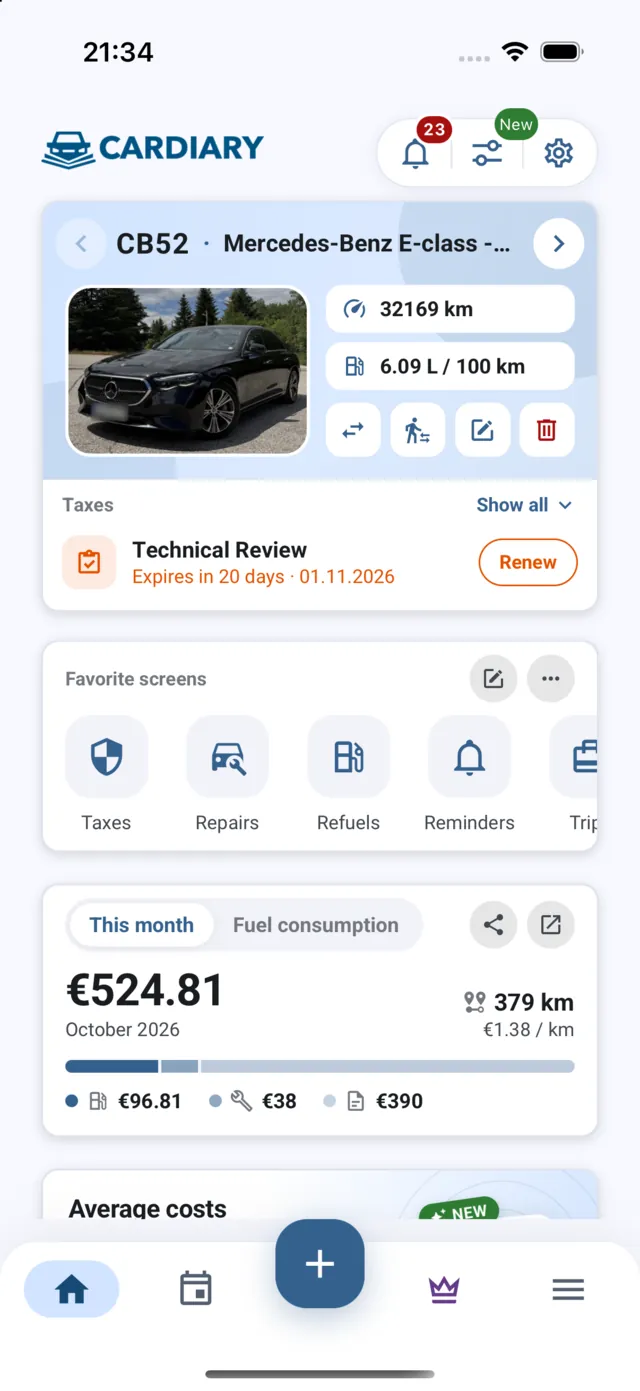
When you note a flush, hose, or belt replacement after a shop visit, keeping that service dated in CarDiary makes the next heat wave easier to prep for because you can see what was already replaced.
Highway decisions when the index climbs
Interstate bottlenecks around Nashville, Louisville, Paducah, and Evansville turn radiators into heat sinks: low speed, no ram air, and the A/C condenser dumping heat into already-hot grille air. If traffic is stop-and-go, widen following distance so you are not riding the brakes, and avoid riding the shoulder unless it is a true emergency—hot asphalt and limited sight lines make shoulders dangerous.
Use recirculation intelligently. On smoky or dusty days it helps; in a packed parking lot it can make cabin air stale. On open highway in extreme humidity, fresh air sometimes helps defog windows without overworking the evaporator. If you drive an EV or plug-in hybrid, remember that sustained high-speed A/C plus fast charging in full sun can heat the battery pack; plan charging stops in shade or during cooler evening windows when possible.
If the temperature gauge moves past normal
Modern gauges often sit at a fixed “normal” position until trouble is advanced, so also watch for steam, a sweet coolant smell, or the A/C cutting out. NHTSA’s guidance for rising engine temperature is deliberate: turn off the air conditioning to reduce load, turn on the heater briefly to pull heat from the engine (uncomfortable but useful), move right, and stop safely. Shut the engine off and wait before opening the hood—coolant can spray under pressure. Do not pour cold water on a hot engine block; call for roadside assistance if coolant is low and you cannot identify a simple external leak.
Parked cars are part of the driving story
Heat advisories coincide with school events, daycare runs, and quick store stops. NHTSA is clear: never leave a child unattended in a vehicle, even for a short errand or with windows cracked. Cabin temperature can reach lethal levels in minutes when outside air is only in the 80s°F; a child’s body temperature rises faster than an adult’s. Lock parked cars so children cannot climb into a hot cabin or trunk, and use a back-seat reminder habit before you walk away.
When to postpone the trip
Non-essential drives during the hottest afternoon hours can wait without guilt. If your cooling system is suspect, you are towing near capacity, or your passengers cannot tolerate loss of A/C, rescheduling beats being stranded on a sun-baked shoulder waiting for a tow. Essential commutes and medical travel still happen—just stack the maintenance checks above so the car is doing its share of the work while you manage hydration and rest breaks in shade or air-conditioned buildings, as local NWS offices advise for people, not only for engines.