When the fiscal year turned on October 1, 2026, federal agencies did not go dark. The House and Senate had already sent President Donald Trump a continuing resolution that keeps most of the government running through December 11, 2026, avoiding the kind of midnight lapse that paralyzed travel and back-office verification twice in the previous twelve months. For anyone who lives behind the wheel, that reprieve matters less than the pattern behind it: funding cliffs keep returning, and the paperwork that keeps your plates legal, your license airport-ready, and your title transferable still runs on separate clocks—state deadlines that do not pause when Washington argues.
What the stopgap actually changed on the road
The short-term bill described by Reuters extends existing spending levels; it does not rewrite motor-vehicle law. Your state still sets registration fees, inspection rules, and license formats. What shifts during any future lapse is the federal machinery that sits behind a narrow set of transactions: identity checks for REAL ID, some immigration-status lookups, passport and visa processing if you are crossing borders to buy a vehicle, and the staffing levels at TSA checkpoints if another shutdown stretches long enough that unpaid screeners start calling in sick, as they did during the forty-three-day shutdown that began October 1, 2025.
Drivers who remember that autumn saw flight cancellations pile up and airport lines balloon even though TSA was legally required to keep screening. A later partial shutdown focused on the Department of Homeland Security stretched from February into April 2026 and reportedly pushed wait times past two hours at some airports and closed PreCheck lanes entirely in places. None of that closed your county tag office, but it did change the math on flying out to sign papers on a car or driving home after a one-way flight.
Why the DMV counter is usually open—even when Washington is not
Vehicle registration, title transfers, and ordinary license renewals are state-funded services. As USA TODAY noted during the 2025 lapse, the sign on the door may still say “open” because payroll comes from your capitol, not from an annual appropriations bill in Congress. That is good news if your tags expire in October, but it is not a guarantee that every step inside the building will finish at normal speed.
REAL ID upgrades are the classic friction point. The REAL ID Act of 2005, summarized on GovInfo, requires states to verify identity and lawful presence before marking a license compliant. Many of those checks hit federal databases. If the staff supporting those systems are furloughed during a prolonged shutdown, you can sit in a state office with every document in hand and still wait days for a card to print. Enforcement at airports is already in effect: the Transportation Security Administration states that, since May 7, 2025, travelers need a REAL ID-compliant license or another acceptable ID listed at TSA.gov to board domestic flights. A passport still works, but routine passport renewals slowed sharply during past lapses—bad timing if you planned to fly to Phoenix to drive a used truck home.
Registrations, inspections, and titles that ignore the news cycle
None of the congressional drama exempts you from the renewal date printed on your registration card or the emissions test letter your state mailed. Those due dates are set by statute and contract with private inspection stations, not by whether the National Park Service has rangers on duty this weekend. If you deferred a renewal because you assumed a “government shutdown” headline meant the motor-vehicle agency was closed, call your state portal instead of guessing: most renewals can be paid online in minutes.
Title work when buying from a private seller or an out-of-state dealer is similarly state-local. The seller’s lien release, your proof of insurance, and the fee for new plates do not require a funded Interior Department budget. What can stall is any step that needs a federal employer identification verification or a hazmat endorsement background check on a commercial driver’s license—issues that matter if you are stepping up from a pickup to a small fleet this quarter.
Safety recalls and heavy-truck enforcement keep running
Not every federal auto program rides on the same appropriations roller coaster. The Commercial Vehicle Training Association notes that core U.S. Department of Transportation safety functions—including the National Highway Traffic Safety Administration and Federal Motor Carrier Safety Administration activities funded from the Highway Trust Fund and related accounts—continued through recent shutdowns while discretionary grant work slowed. Practically, that means an open recall on your daily driver is still something you should look up at NHTSA.gov, and professional drivers should expect roadside inspections to remain in force even if rulemaking announcements pause.
Trips that cross federal land or federal security
Weekend drives through national parks and monuments depend on appropriations in a way your commute does not. During past lapses, gates stayed shut or ran with skeleton crews, which pushed tourist traffic onto two-lane state highways with no extra parking. If you are planning a leaf-peeping loop or a desert delivery route that normally cuts through a federal site, build a state-road alternate before you load the trailer.
Airports sit on the opposite side of the same coin. Essential TSA and air-traffic staff must report, but long shutdowns historically produced absenteeism and cascading delays. If December travel includes picking up a vehicle after an auction or visiting a sick relative before retagging a inherited car, pad the schedule and carry an ID that already meets the post–May 2025 standard so you are not negotiating identity verification on the morning of an auction checkout.
An October queue list before the next deadline
Think of the next eleven weeks as borrowed quiet. December 11, 2026, is simply the next time Congress must act unless full-year spending bills land sooner. Use October to close loops that get harder when holiday DMV crowds arrive and when another funding fight dominates the news.
Match your registration and, where required, state inspection expiration to the calendar—not to headlines. If either falls in November or December, handle it online or book an appointment now.
Open your wallet and confirm whether your license shows the REAL ID star or whether you will fly with a valid U.S. passport instead, per TSA’s published list of acceptable documents.
If you are buying across state lines, gather lien releases, odometer statements, and insurance cards before you wire a deposit; federal shutdowns rarely stop state title clerks, but they can stop the passport office down the hall.
Run your VIN through NHTSA’s recall lookup before you sign anything, especially on models with recent airbag or camera campaigns.
For work trucks, confirm CDL medical certificates and any hazmat endorsement renewal windows; federal database delays hurt most when your job starts Monday.
Map a non-federal route for any long haul that normally crosses parkland, and keep paper proof of insurance and registration in the glove box even if your state offers an app.
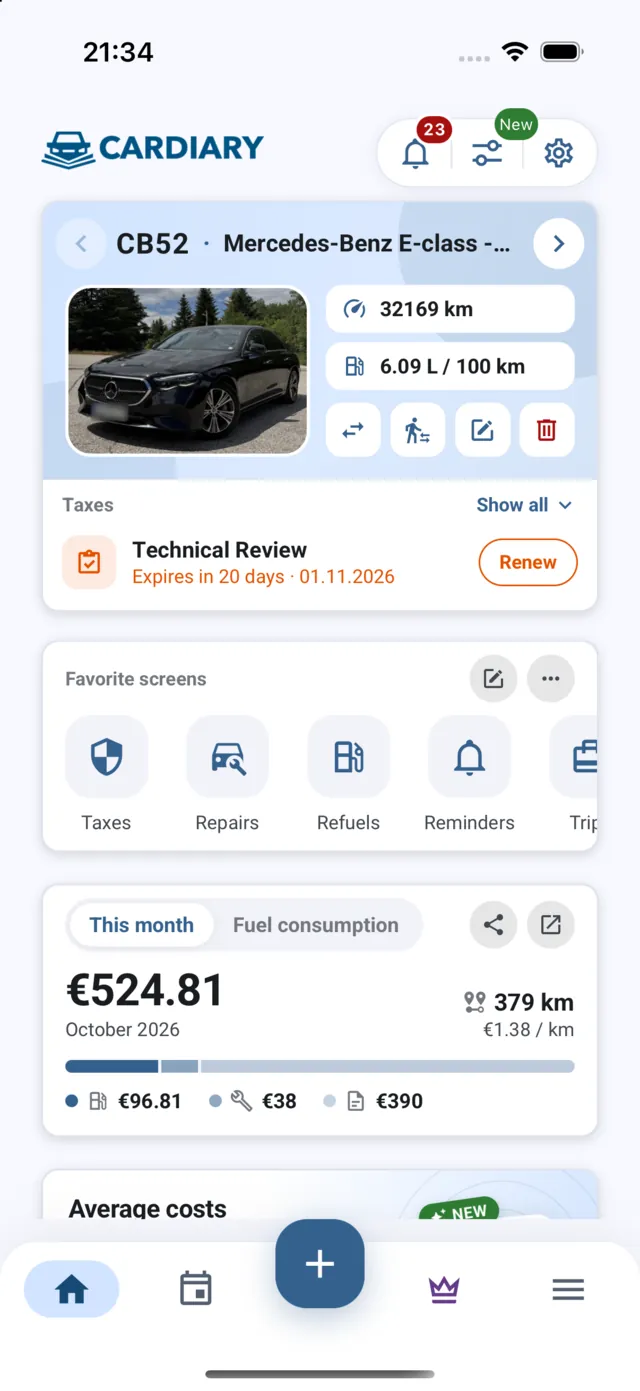
Keeping registration and inspection due dates in CarDiary alongside repair notes replaces the spreadsheet tab most drivers forget until a late fee hits, without pretending to be a state DMV portal.
Washington may have bought eleven weeks of normalcy on October 1, but your plates still expire on the date printed on the card. Treat the continuing resolution as time to finish the errands that shutdown seasons always make painful—while the tag office line is still manageable and before the next midnight deadline on December 11.