When the National Weather Service posts a coastal flood advisory or warning for Queens, Nassau, Suffolk, coastal New Jersey, or parts of New York City, the hazard is not the same as a flash-flood alert miles inland. Salt water pushed by onshore wind and astronomical high tide can cover parking lots, underpasses, and low coastal roads while rain totals stay modest. Drivers who treat it like a normal rainy commute often lose a car to engine hydrolock or corrosion that shows up weeks later.
Decode the alert before you move the vehicle
Coastal flood products describe expected inundation above ground level, usually tied to specific high-tide windows. An advisory means minor flooding in vulnerable spots near the waterfront; a warning means more widespread flooding that can strand vehicles. Read the valid times on weather.gov and match them to your local tide chart. If the peak tide overlaps with your commute or when you normally park near the bay, assume standing water on known low spots even if the sky looks merely gray.
Places where cars get trapped first
In the New York metro, trouble clusters on fill and fill-adjacent roads: segments of the Belt Parkway and Cross Bay Boulevard near Jamaica Bay, Shore Road and parking areas along the South Shore of Long Island, boardwalk-adjacent lots in Rockaway and Coney Island, and marina-side streets in Sheepshead Bay and Freeport. In New Jersey, watch tidal creeks crossing Route 35 and local connectors in Monmouth and Ocean counties. These locations flood from the bay side, not from a sudden cloudburst upstream, so water can rise while inland highways still look dry.
Parking decisions that save the powertrain
If you live in a zone mapped for coastal flooding, move the car to higher ground before the tide window—not after you see water on the street. Garages below street grade in waterfront neighborhoods are risky; so are outdoor lots at marinas, ferry terminals, and beach access points. Avoid parking at the downhill end of a lot where storm drains back up. For a second car or a work truck you cannot move, at least park facing an exit route that does not dip through a known sump; do not leave valuables that prove you abandoned the vehicle in a travel lane.
Driving during the alert
The Turn Around Don’t Drown® guidance from the National Weather Service applies on coastal roads too: never drive around barricades, and do not enter water if you cannot see the pavement. Six inches of fast-moving water can knock a person down; about 12 inches of rushing water can float most passenger cars, and about two feet can move SUVs and pickups. Salt spray on already-wet pavement reduces grip; leave extra following distance and avoid hard braking on the first minutes of rain when oil lifts off the asphalt.
Coastal flooding also hides undermining. A road that looked fine at low tide may have scoured shoulders after repeated tide cycles. If water crosses the center line or feels like a current, stop and reroute even if other drivers push through.
If salt water reached the cabin or engine bay
Do not try to start a car that sat in brackish or salt water until a shop confirms the intake and electronics are dry. Tow it. Photograph the water line inside and out, note the time and tide, and contact your insurer promptly; comprehensive auto policies may cover flood damage, while liability-only policies do not. Rinse exterior salt as soon as it is safe to do so, but interior drying and corrosion control belong in the shop log.
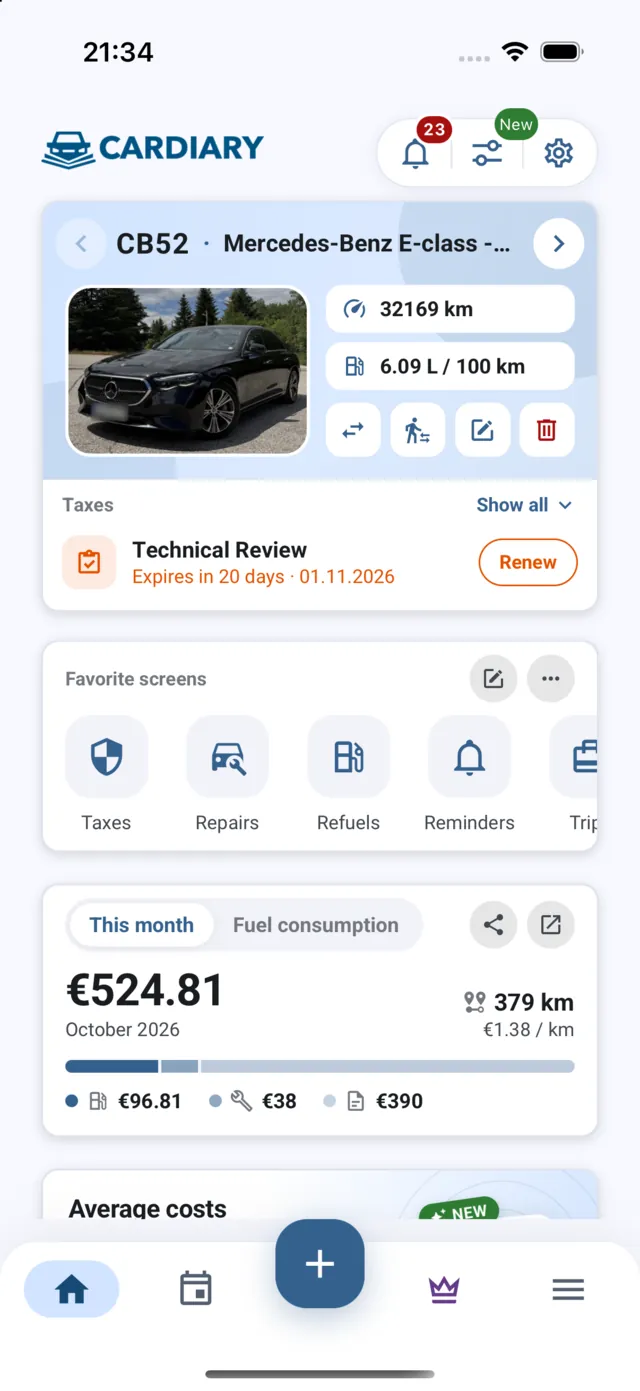
After any flood-related tow, brake flush, or module replacement, logging dates and invoices in CarDiary keeps a clear service history for insurance follow-up and resale disclosure without replacing your insurer’s claim file.
When the warning expires
Water can linger in storm drains after the official end time. Retest your usual route at daylight before you commit to a tight schedule. Watch for debris—dock floats, lumber, and sand—on parkways that were briefly submerged. If your state requires periodic safety or emissions inspections, schedule them after flood repairs so worn harnesses or corroded connectors do not fail a retest; you can look up typical due timing with the CarDiary vehicle inspection due date tool for your registration state.