The National Highway Traffic Safety Administration opened Preliminary Evaluation PE25011 on September 22, 2025, after six complaints that the driver seat belt anchorage cable on certain Rivian Electric Delivery Vans frayed, broke, or unraveled. The investigation covers roughly 17,198 EDVs from the 2022 and 2023 model years—the low-step vans Rivian built primarily for Amazon last-mile routes and, increasingly, for independent contractors and small fleets. Regulators have reported no crashes, injuries, or fatalities tied to the issue so far, but NHTSA warns that a failed anchor can leave the driver unrestrained during a sudden stop or collision.
Which vans are in the investigation
According to the NHTSA opening resume for PE25011, the subject population is Rivian EDV units produced between 2022 and 2023. These are not the consumer R1T pickup or R1S SUV; they are purpose-built commercial step-in vans sized around 500 or 700 cubic feet of cargo space. Amazon remains the largest operator, though Rivian now sells the related Commercial Van (RCV) platform to other businesses starting at $79,900 for the Delivery 500 and $83,900 for the Delivery 700.
If you drive a white Rivian van on a parcel route in Atlanta, Phoenix, Denver, or another metro where Amazon has rolled out electric vans, your vehicle may fall inside this population even if you do not own it outright. Fleet managers, owner-operators, and independent delivery partners should treat the probe as an active safety review—not a confirmed recall—until NHTSA or Rivian publishes a remedy.
What regulators say is failing
The complaint cluster focuses on the driver front outboard seat belt anchorage. On these EDVs, a steel-braided cable connects the seat belt webbing to the seat frame. Owner questionnaires describe cables that fray at the attachment point, separate entirely, or unravel under normal daily use. When the cable fails, the belt may look normal but no longer meets the load capacity federal motor vehicle safety standards require in a crash.
NHTSA's Office of Defects Investigation will examine assembly integrity, installation methods, and any design or manufacturing changes Rivian made during early EDV production. Rivian told reporters it intends to cooperate with the agency. A preliminary evaluation is the first step in the federal defect process; it can escalate to an engineering analysis and, if warranted, a safety recall with free repairs at authorized service centers.
What drivers and fleet owners should do now
Until a formal recall notice arrives, treat every pre-shift inspection as critical. Buckle the belt with a firm, direct motion, then tug sharply to confirm it locks. Look at the cable where it meets the seat frame for fraying, rust, or loose strands. If the belt feels slack after latching, or the cable looks damaged, park the van and report it through your fleet maintenance channel before completing the route.
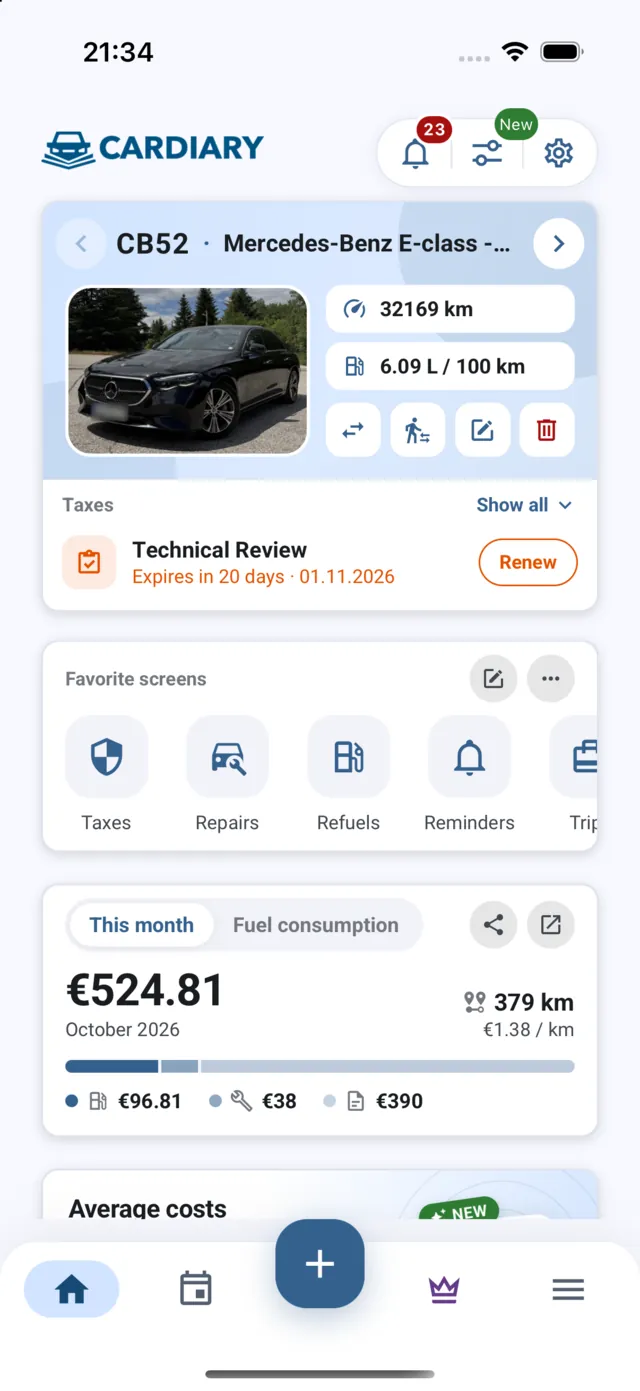
You can also look up open campaigns by vehicle identification number on NHTSA.gov/recalls. Entering the VIN in CarDiary's VIN checker gives you one place to track whether a recall posts for your unit and to keep that record alongside registration and insurance deadlines instead of another spreadsheet.
Document the date, mileage, and photos if you find cable wear. Delivery fleets run tight schedules, but a seat belt defect is not a wait-until-Friday repair. If your van is grounded, log the downtime: idle commercial vehicles still accrue insurance, depot fees, and missed route revenue.
Real running costs for Rivian delivery vans in the United States
Understanding day-to-day economics helps fleet owners weigh downtime during a safety investigation. Rivian rates the current Delivery 500 and 700 at 161 and 160 miles of EPA-estimated range, respectively, from a 100 kWh lithium iron phosphate pack. At the U.S. Energy Information Administration's 2025 commercial-sector average of 13.41 cents per kWh, a fully loaded 100-mile route consumes about 62.5 kWh—roughly $8.38 in electricity.
Compare that with a gasoline Ford Transit or Mercedes Sprinter averaging about 15 US MPG. Using the Bureau of Transportation Statistics' May 2025 national average of $3.15 per gallon for regular gasoline, the same 100 miles burns 6.7 gallons and costs about $21.10 at the pump. Over 250 working days, that energy gap alone saves roughly $3,180 per van per year before maintenance—one reason Amazon committed to tens of thousands of EDVs.
Payload still matters. The Delivery 500 carries up to 2,663 pounds and the 700 up to 2,258 pounds within a 9,500-pound gross vehicle weight rating. Heavy parcel days cut range, which pushes more mid-route charging and can add $2–$4 per day in markets with higher commercial electricity rates such as California or New York.
Why safety probes hit delivery fleets harder than sedans
A sedan owner might wait weeks for a recall appointment with minimal lifestyle impact. A delivery van that sits in the depot loses route revenue immediately. Industry data from high-utilization fleets suggest last-mile vans often cover 80–120 miles per shift and 20,000–30,000 miles annually. Missing two days of routes on a van generating $400–$600 per day in contractor payments can cost more than the eventual cable repair itself.
Electric vans also carry higher curb weights—roughly 6,800 to 7,200 pounds for the Delivery 500 and 700—so brake and tire wear already runs ahead of passenger cars. Adding an unscheduled shop visit for seat belt hardware stacks labor, rental van fees, and driver idle time on top of ordinary operating costs.
If NHTSA moves PE25011 to a recall, expect Rivian to mail owner letters and post remedy instructions. Dealers and Rivian service partners will likely inspect the cable assembly and replace defective anchors at no charge. Fleet operators should plan spare vans or route splits now rather than assuming same-day fixes once a campaign opens.
How this fits the broader Rivian commercial story
The EDV program was Rivian's proof that an EV startup could supply a Fortune 500 fleet at scale. Early vans reached Amazon hubs in 2022; by 2025 Rivian opened RCV orders to contractors, HVAC companies, and municipal fleets that want zero-emission step-in vans without building custom bodies. A seat belt probe on fewer than 18,000 units is small relative to Amazon's 100,000-van order, but it arrives as Rivian expands beyond its anchor customer.
For drivers, the practical takeaway is straightforward: the vans save fuel money on US routes, but the seat belt cable complaints are a reminder that commercial EVs face the same federal safety scrutiny as any other vehicle on American roads. Check your belt, check your VIN, and keep mileage and service notes current so a future recall repair is one administrative task—not a scramble across email threads and paper logbooks.